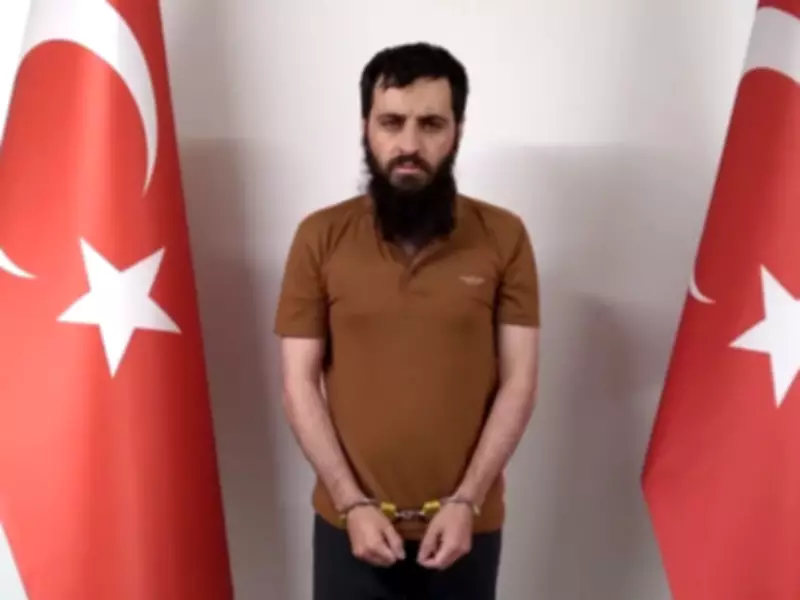
Turkish intelligence forces have captured 10 suspected members of the Islamic State (ISIS) in Syria, including a figure believed to be connected to the 2015 Ankara train station bombing, according to security sources. The operation, carried out in coordination with Turkish-backed Syrian opposition groups, targeted cells operating near the Turkish border.
Details of the Operation
The arrests took place in the town of Al-Bab, located in northern Syria's Aleppo province, which is under the control of Turkish-backed forces. Among those detained is a suspect identified as a key planner of the October 2015 attack on the Ankara Central Station, which killed 102 people and injured hundreds more. The bombing was one of the deadliest in Turkey's modern history and was attributed to ISIS.
Turkish authorities have not released the names of the suspects, but sources confirmed that the operation was based on long-term surveillance and intelligence sharing with local allies. The suspects were transferred to a secure location for interrogation.

Significance of the Capture
The capture of the Ankara attack suspect is a major breakthrough for Turkish counterterrorism efforts. The 2015 bombing targeted a peace rally organized by pro-Kurdish and leftist groups, and its perpetrators have been sought by Turkish authorities for years. The operation underscores Turkey's continued cross-border military and intelligence activities in Syria, where it has conducted multiple incursions against ISIS and Kurdish militant groups since 2016.
Turkey has been a key member of the global coalition against ISIS and has arrested hundreds of suspected members within its borders. However, the group still maintains a presence in Syria and Iraq, and Turkish officials have warned of the ongoing threat posed by sleeper cells.
Reactions and Context
Turkish President Recep Tayyip Erdogan has not commented directly on the operation, but his government has repeatedly stressed its commitment to eliminating terrorist threats. The capture comes amid heightened tensions in the region, with Turkey also conducting operations against Kurdish militants in northern Syria and Iraq.
The United States and other NATO allies have praised Turkey's efforts against ISIS, though they have also expressed concerns about Turkey's actions against Kurdish forces, who have been key U.S. allies in the fight against the group.
The 2015 Ankara bombing remains a painful memory for many Turks, and the news of the suspect's capture has been met with mixed reactions. Some see it as a step toward justice, while others remain skeptical about the effectiveness of anti-terror operations.
Security analysts note that the operation highlights the complex web of alliances and rivalries in Syria, where Turkey, the United States, Russia, and various local groups have overlapping and conflicting interests. Despite the challenges, Turkey continues to pursue a proactive strategy to disrupt terrorist networks both domestically and across its borders.