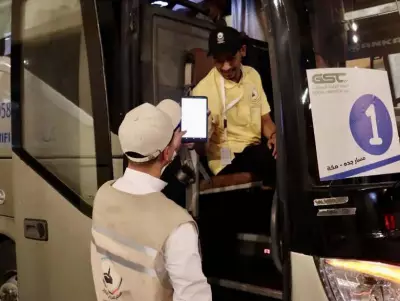
RAWALPINDI: Soaring inflation, increased transport fares, and the skyrocketing prices of sacrificial animals have forced a large number of residents of the twin cities of Rawalpindi and Islamabad to celebrate Eidul Azha locally this year instead of traveling to their native towns and villages. As a result, passenger traffic at the 54 transport terminals across the twin cities has remained unusually low ahead of the Eid holidays, while bus stands are missing their traditional festive rush.
Sharp Decline in Passenger Numbers
Patron-in-Chief of the Mutahida Transport Federation, Haji Zahoor Arain, reported that passenger numbers during the Eidul Azha season have declined by 40 to 45 percent this year. He noted that whereas entire families previously traveled to their ancestral villages for Eid celebrations, this year only one or two family members are making the journey instead of the whole household. Arain added that despite the announcement of lengthy summer vacations in schools, there has been no noticeable increase in the number of passengers traveling to their hometowns.
Railway Services Affected
Due to the decline in passenger numbers, Pakistan Railways has suspended the operation of eight trains, and railway stations have started to wear a deserted look. "With only two days remaining before Eidul Azha, it remains to be seen whether passenger numbers increase or not, though the chances appear slim," Arain remarked, adding that many people who intended to travel had already left over the weekend because public holidays would continue throughout the coming week.

Sacrificial Animal Sales Down
Arain further stated that the sale and purchase of sacrificial animals have also witnessed a decline of 40 to 45 percent this year. The economic strain is evident across multiple sectors.
Reasons Behind High Transport Fares
According to transporters, the principal reason behind the sharp increase in transport fares is the sudden rise of Rs50 to Rs70 per liter in petrol and diesel prices over recent months. They maintained that the nominal reduction of Rs5 in fuel prices carried little practical impact, as the cost of vehicle spare parts, tires, and the salaries of drivers, conductors, and helpers have all increased substantially.
Passenger Complaints
Passengers complained that transporters are now charging full-seat fares even for children aged 10 years, describing the practice as exploitative. They also alleged that additional charges equivalent to a full seat fare are being demanded for luggage. Commuters said stagnant incomes and relentless inflation have severely strained household finances.
Regulatory Measures
Meanwhile, the Secretary of the Regional Transport Authority (RTA) stated that monitoring teams will continue inspecting transport terminals until Eidul Azha, adding that challans and fines have already been imposed against transporters involved in overcharging and overloading passengers.