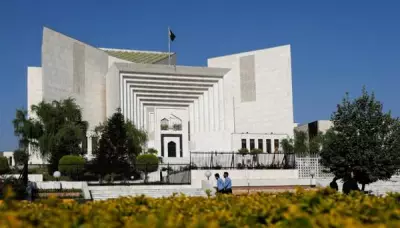
The Lahore High Court's decision to uphold a widow's right to receive interest on delayed insurance payments is a necessary rebuke of institutional negligence. By ruling that the delay in payment constitutes a loss that must be compensated, the court has acknowledged that the mere eventual payment of a claim is not a substitute for timeliness.
Setting a Benchmark for Accountability
This ruling sets an important benchmark for corporate and state accountability. For too long, insurance companies and government agencies have operated under the assumption that they could delay payments indefinitely without consequence, effectively treating the claimant's desperation as a source of interest-free loans. By mandating interest on delayed sums, the court has introduced a financial incentive for efficiency. This precedent ensures that “processing time” can no longer be used as a convenient shield for incompetence or systemic delays.
Prioritising Human Dignity
Furthermore, the decision is a significant win for women's rights, particularly for widows who often find themselves navigating a patriarchal bureaucracy. In many cases, the delay in insurance or pension payments is not merely a clerical error but a reflection of the social invisibility of women in the economic sphere. By securing the right to interest, the court has affirmed that women are not just passive recipients of charity, but legal entities entitled to the full value of their assets, including the time-value of money.

Need for Consistent Application
Ultimately, the value of this judgment lies in its potential to trigger a systemic shift in how insurance and pension claims are handled. However, the victory is only meaningful if it is applied consistently across the board. If this ruling is treated as an isolated exception rather than a mandatory standard, the systemic rot will remain. The court has provided the legal mandate; the burden now lies with the institutions to ensure that justice is delivered promptly, not just eventually.