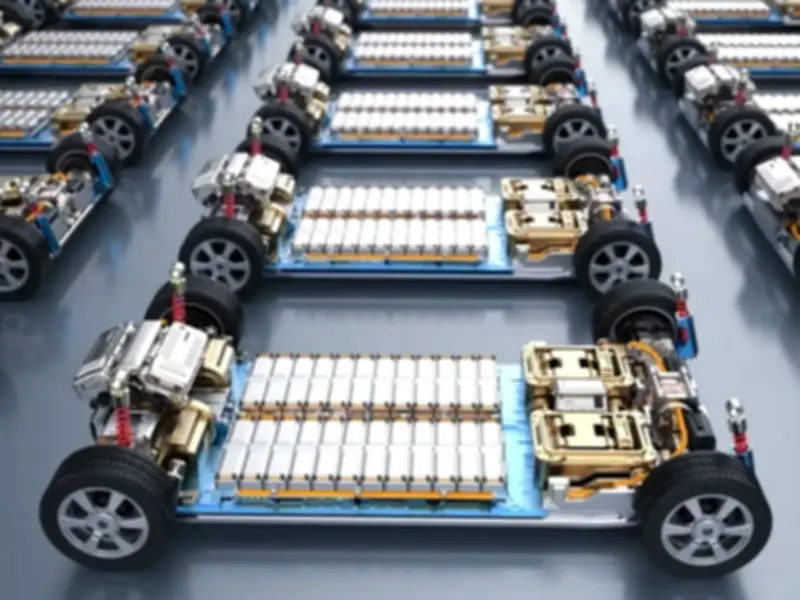
The National Coordination and Management Council (NCMC) of Pakistan has expressed serious concerns over the use of substandard and low-quality batteries in electric vehicles (EVs), prompting a decision to introduce a strict testing mechanism. This move comes amid a boom in EV demand and sales following the US-Israel-Iran conflict and a sharp rise in oil prices. EVs are also seen as crucial for Pakistan's clean mobility ambitions and global environmental goals.
NCMC Directives on Battery Quality
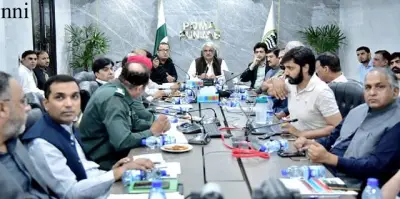
During a recent meeting of the NCMC executive committee, co-chaired by the federal minister for economic affairs and the national coordinator, it was observed that certain EV manufacturers are not adequately adhering to prescribed quality and safety standards, particularly regarding batteries. The use of substandard or uncertified batteries poses serious risks to consumer safety, vehicle performance, and the credibility of the EV ecosystem.
The council directed the Engineering Development Board (EDB), in collaboration with the National Energy Efficiency and Conservation Authority (Neeca) and other stakeholders, to develop a robust inspection, testing, and verification mechanism. This mechanism will include certification requirements, periodic inspections, and compliance monitoring of manufacturers and importers. Strict enforcement measures against non-compliant entities will also be instituted. The Ministry of Industries and Production, EDB, and Neeca have been tasked to immediately start work on establishing testing standards aligned with international benchmarks.

OMC Violations Addressed
The NCMC meeting also highlighted that oil marketing companies (OMCs) have failed to comply with regulatory directives and have even challenged them in courts. This non-compliance poses a serious challenge to the national fuel supply chain and energy security, especially amid the regional crisis caused by the Middle East war and the closure of the Strait of Hormuz.
According to the Oil and Gas Regulatory Authority (Ogra), several OMCs failed to meet their allocated product review meeting (PRM) quotas. While show-cause notices have been issued, such actions are frequently challenged in court, limiting effective enforcement. The NCMC emphasized the need for concrete corrective measures to plug loopholes in existing rules and regulations.
It was decided that Ogra, in collaboration with relevant stakeholders and with active involvement of NCMC, will constitute a committee to examine the existing regulatory framework and recommend amendments to enhance enforceability. Ogra will formally constitute the committee and submit a progress report. Additionally, Sui Northern Gas Pipelines Ltd (SNGPL) was directed to determine gas availability for CNG stations in Khyber-Pakhtunkhwa after reassessing volumes consumed by power plants.