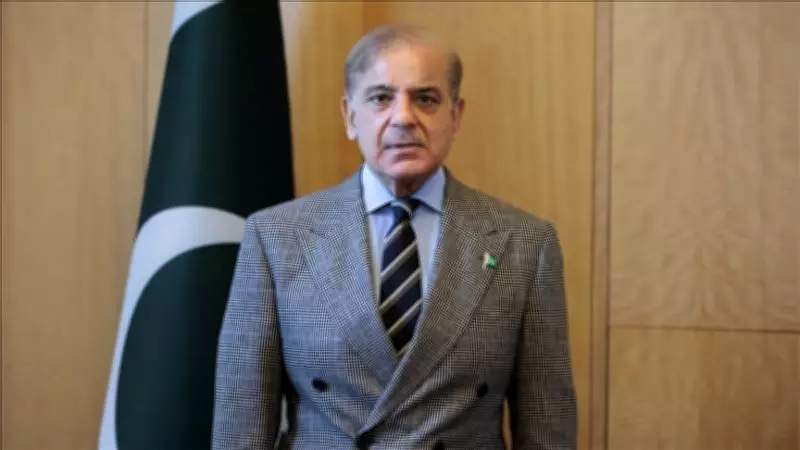
Prime Minister Shehbaz Sharif Implements Ban on High-Octane Fuel for Government Vehicles
In a significant move aimed at curbing unnecessary public spending, Prime Minister Shehbaz Sharif has officially banned the use of high-octane fuel in all government vehicles. This decision, announced on March 23, 2026, is part of a broader austerity initiative designed to promote fiscal discipline and reduce the financial burden on the national exchequer.
Details of the Fuel Ban and Its Implications
The ban specifically targets high-octane fuel, which is typically more expensive than regular-grade alternatives. Government vehicles, including those used by ministries, departments, and state-owned enterprises, will now be required to switch to lower-octane or standard fuel options. This measure is expected to result in substantial savings in fuel costs, contributing to overall budget reductions.
Key aspects of the ban include:

- Immediate implementation across all federal and provincial government entities.
- Mandatory compliance for all official vehicles, with exceptions only for specialized operational needs.
- Regular monitoring and audits to ensure adherence to the new policy.
Rationale Behind the Austerity Measure
Prime Minister Sharif emphasized that this step is crucial for setting a precedent of responsible governance. By reducing fuel expenses, the government aims to reallocate funds towards more critical areas such as public services, infrastructure development, and social welfare programs. The move also aligns with global trends towards cost-cutting in public administration, especially in times of economic challenges.
Officials have noted that the ban on high-octane fuel is just one component of a larger austerity framework. Other measures under consideration include streamlining administrative processes, minimizing non-essential travel, and optimizing resource utilization across government departments.
Expected Outcomes and Public Response
The prohibition is projected to save millions of rupees annually, directly impacting the national budget positively. While some critics argue that the savings might be marginal in the grand scheme, supporters highlight its symbolic value in promoting a culture of frugality within the government.
Public reaction has been mixed, with many citizens applauding the effort to reduce wasteful expenditure, while others call for more comprehensive reforms to address broader economic issues. Nonetheless, this ban marks a proactive step towards enhancing transparency and accountability in public spending.