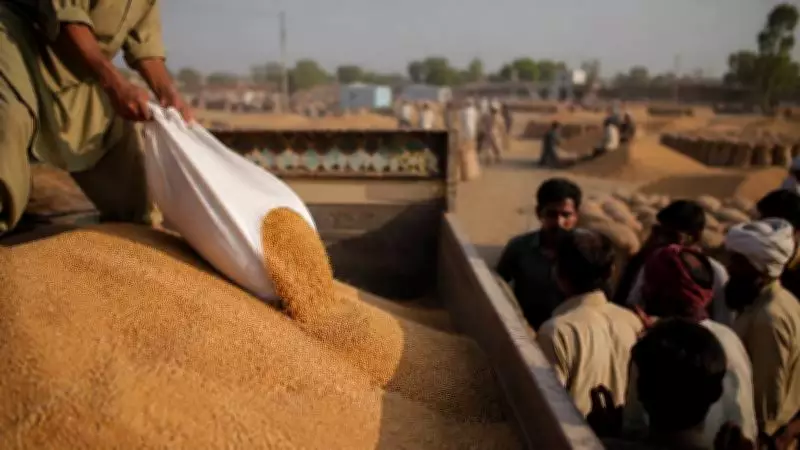
Pakistan's wheat system, a cornerstone of its agricultural economy, is facing intense scrutiny as experts highlight deep-rooted political economy issues. The system, characterized by government interventions, subsidies, and market distortions, has long been a subject of debate among policymakers and economists.
Historical Context and Government Role
Historically, the government has played a dominant role in wheat production, procurement, and distribution. The Pakistan Agricultural Storage and Services Corporation (PASSCO) and provincial food departments are key players, procuring wheat at support prices to ensure farmer incomes and stabilize supplies. However, this system has led to inefficiencies, corruption, and fiscal burdens. The support price mechanism often benefits large landowners more than small farmers, exacerbating rural inequality.
Market Distortions and Subsidies
Subsidies on inputs like fertilizers, water, and electricity have distorted market signals, encouraging overproduction and inefficient resource use. The wheat subsidy program, intended to provide affordable flour to consumers, has been plagued by leakages and misallocation. A significant portion of subsidized wheat ends up in the open market, undermining policy objectives. Moreover, the subsidy regime imposes a heavy burden on the national exchequer, diverting funds from critical sectors like health and education.

Impact on Farmers and Consumers
Small farmers, who constitute the majority of producers, face multiple challenges. They often lack access to credit, quality inputs, and modern technology, resulting in low yields and profitability. The procurement system, with its complex procedures and delays, further disadvantages them. On the consumer side, despite subsidies, wheat prices remain volatile, and the poorest households spend a large share of their income on bread. The recent surge in inflation has exacerbated food insecurity.
Reform Proposals and Political Economy Constraints
Economists and international organizations have long advocated for reforms, including phasing out subsidies, liberalizing trade, and strengthening market institutions. However, political economy constraints hinder progress. Powerful interest groups, including large farmers, millers, and traders, benefit from the status quo and resist change. The political sensitivity of wheat prices makes reforms electorally risky. Any attempt to reduce subsidies or increase prices triggers protests and political backlash.
Way Forward
Addressing the wheat system's challenges requires a comprehensive approach that balances efficiency, equity, and political feasibility. Gradual reforms, targeted subsidies for the poor, and investments in agricultural research and extension can improve productivity. Strengthening social safety nets can protect vulnerable consumers during transition. Ultimately, depoliticizing wheat policy and building consensus among stakeholders is essential for sustainable change.