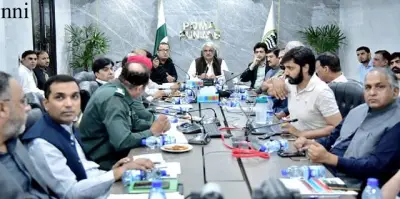
The Punjab Assembly's first fully paperless session on 8 June represents a major milestone in Pakistan's often uneven journey towards digital governance. By conducting proceedings under the newly introduced e-Assembly system, the legislature has taken a step that many democratic institutions worldwide embraced years ago but remains transformative in the Pakistani context.
Recognition for Modernization Efforts
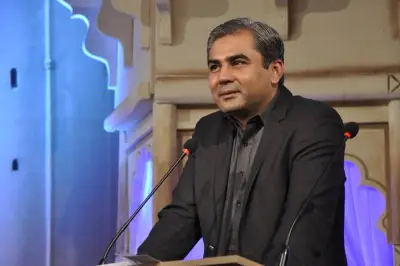
The initiative deserves recognition not only because it signals an attempt to modernize legislative business but also due to its environmental and financial benefits, as highlighted by Speaker Malik Muhammad Ahmad Khan. The installation of secure tablets for lawmakers and the digitization of parliamentary documents are expected to save millions of rupees annually while significantly reducing paper consumption.
Alignment with Broader Digital Push
This move aligns with the Punjab government's broader push to digitize public administration and transition government offices towards paperless operations. The advantages are clear: digital records improve accessibility and speed up document retrieval, strengthening institutional memory and reducing bureaucratic delays associated with physical files. A paperless assembly can also enhance transparency by making legislative information easier to archive and track.

Technology Alone Cannot Strengthen Democracy
Yet technology alone cannot strengthen democracy. The events of the same session indicated that while legislators debated matters, proceedings ultimately descended into political friction over wheat-related issues and a lack of quorum that forced adjournment. A digital legislature is not automatically a more effective legislature.
Next Steps for Democratic Modernization
The Punjab Assembly has taken an important first step. The challenge now is to ensure that technological modernization is accompanied by democratic modernization. The true measure of success will be whether citizens receive more transparent and accountable governance as a result. Pakistan's legislatures must strive to become not only paperless but also more efficient and ultimately more representative of the people they serve.