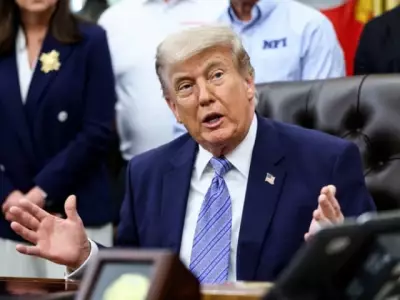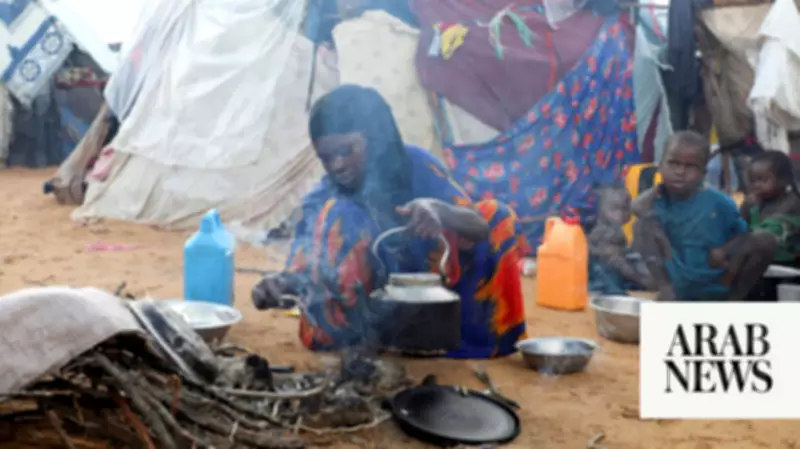
The Trump administration on Thursday announced an additional $1.8 billion in humanitarian aid for the United Nations, emphasizing that the funds would be directed toward lifesaving assistance for victims of natural disasters, famine, and those in critical need, even as the United States has reduced its overall foreign assistance.
New Funding Details
The money will be allocated over the coming year and adds to the $2 billion pledged by the Trump administration in December. US Ambassador to the United Nations Mike Waltz described the new funding as "the latest step" in a press conference. This contribution brings total US support for UN humanitarian programs to $3.8 billion across 21 countries, according to the State Department. The department noted that the funds would prioritize locally run projects assisting the most vulnerable populations.
The State Department reported that the initial contribution delivered "life-saving assistance to 21.1 million people more quickly, more efficiently, and with greater focus on those facing the most acute humanitarian needs in less than four months." However, the amount is a fraction of previous US contributions and reflects the administration's belief that it remains generous enough to maintain America's status as the world's largest humanitarian donor.

Context of Aid Cuts
The Trump administration has cut billions in US foreign aid, prompting UN agencies to reduce spending, aid projects, and thousands of jobs. Other traditional donors like Britain, France, Germany, and Japan have also reduced their aid allocations. UN humanitarian chief Tom Fletcher described the agency as "overstretched, under-resourced and literally under attack" and reiterated its 2026 plan to reach 87 million of the world's most needy at a cost of $23 billion, even though 300 million people require humanitarian assistance. Before Waltz's announcement, the UN had raised approximately $7.4 billion. Fletcher welcomed the new US contribution and called the United States "the single largest national donor" to the UN, urging donors to meet the $23 billion goal and provide more funding for the over 200 million people not expected to receive aid this year due to the financial crisis.
US Push for Reforms
Waltz highlighted significant changes in UN humanitarian operations pushed by the US to cut costs, including pooling warehouses, vehicle fleets, and back-office operations among UN agencies. He dismissed media narratives that the US has abandoned people in need, calling them "absolutely false." Under Trump, the US has adopted an à la carte approach to UN dues, selecting operations and agencies that align with his agenda and avoiding those that no longer serve US interests. The State Department has stated that "individual UN agencies will need to adapt, shrink, or die."
Criticism and Outstanding Dues
Critics argue that Western aid cutbacks have been shortsighted, driving millions toward hunger, displacement, or disease, and harming US soft power globally. The United Nations reports that the US owes $2.2 billion to its regular operating budget and $1.8 billion to a separate budget for peacekeeping operations, though the Trump administration disputes these figures. In February, the administration paid about $160 million to the regular budget. Waltz confirmed that "we will have an additional substantial tranche toward the regular budget coming soon."