Record Displacement and UNHCR's Anniversary
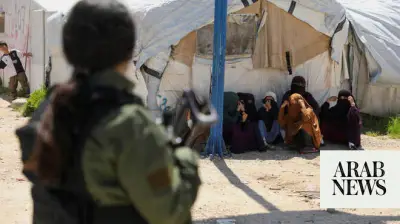
World Refugee Day, observed on 20 June 2024, also marked the 75th anniversary of the United Nations High Commissioner for Refugees (UNHCR), established in 1951 following the UN Refugee Convention adopted in 1950. This year's theme, 'Until Everyone is Safe,' reflects a vision rather than reality, with over 120 million displaced people worldwide. UNHCR's protection and assistance mandate covers over 32 million people, while the United Nations Relief and Works Agency (UNRWA), established in 1949, supports over 6 million Palestinians. Additionally, there are over 72 million internally displaced people (IDPs) and 8 million asylum seekers, assisted by various organisations if at all. At the end of 2024, the total figure stood at 122.6 million people forcibly displaced due to persecution, conflict, war, violence, human rights violations, environmental disasters, and other events seriously disturbing public order.
Challenges to the Refugee Convention
Despite good intentions and efforts, the theme could be twisted to 'Nobody is Safe' instead of 'Until Everyone is Safe,' especially as wealthy Western countries show less sympathy for forced migrants. Many host countries now consider establishing return centres outside their territories to reduce legal responsibilities. The Refugee Convention is being challenged, and the European Union (EU) and the rest of Europe lack a genuine migration policy. High numbers of arrivals in Europe have led to policies focused on keeping refugees, illegal migrants, and other groups out, finding ways to send them back, and discouraging future arrivals. This sends a message that those without proper papers should leave.
Right-Wing Arguments and Return Policies
Right-wing politicians argue that refugees and IDPs should be assisted in their home or neighbouring countries rather than in the West, where costs are high. There is suspicion that many asylum seekers are economic migrants rather than genuine refugees and would never leave even if conditions in their home countries improve. Many Western countries return refugees to countries like Afghanistan and other post-war nations without thoroughly considering living conditions, future livelihoods, and safety, often leading to returnees being displaced again or migrating elsewhere.

Refugee Origins and Host Countries
Statistics show that two-thirds of the world's refugees come from five countries: Venezuela, Ukraine, Syria, Afghanistan, and Sudan. The majority of refugees come from and are hosted by Muslim-majority countries. Yet much attention focuses on the European 'refugee crisis,' with high numbers in Italy, Greece, France, and the UK. Fewer people now apply for refugee status in Scandinavian countries due to stricter immigration rules justified by integration needs. Many host country residents view refugees as a cost and problem, overlooking their positive labour contributions. In Sweden, immigrants make essential contributions to social services, transport, hospitality, and community maintenance.
Positive Contributions and Demographics
Many refugees are very young, including teenage boys arriving alone, and half are women. If they stay long-term, they become an important resource. While refugees are expected to return when conditions become safe, it is often unlikely if they have learned the language, pursued education, found jobs, and settled well. Surveys show somewhat more negative attitudes towards refugees recently, partly due to crime and drug abuse among some newcomers who fail in the labour market. However, these surveys focus on indigenous attitudes rather than newcomers' opinions. Over recent generations, all European countries, especially larger cities, have become multicultural. A country without refugees would be odd and backward, and it is too late to reverse this trend.

Need for New Policies
Current European regulations and policies focus on keeping refugees and migrants out, despite ageing populations that will need foreign workers. There should be more positive attitudes towards those forced to leave their homes due to war, conflict, and poverty. Attitudes were more positive after World War II when UNHCR was established to assist European refugees. Politicians and religious and humanitarian organisations have failed to advocate the right attitudes. In a smaller, more multicultural world, we must learn to live together, recognising that foreign cultures and religions are as valuable as indigenous ones. Policymakers, indigenous people, and newcomers must develop new sustainable refugee and migration policies, realising that current policies are damaging international relations. Refugee and migration issues are difficult, but we must not make them more so, always considering the positive aspects of broader cooperation to build a more peaceful world.