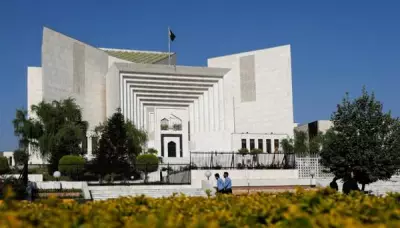
Islamabad High Court Issues Restraining Order Against CDA Over Tree Cutting
The Islamabad High Court has taken a decisive step to protect the environment by issuing a restraining order against the Capital Development Authority. This order effectively prevents the CDA from proceeding with any tree-cutting activities in the capital city of Islamabad. The court's intervention comes in response to growing concerns about deforestation and its impact on the urban ecosystem.
Background of the Case and Environmental Concerns
The case was brought before the court by environmental activists and concerned citizens who highlighted the alarming rate at which trees were being felled in various parts of Islamabad. These activities were reportedly linked to development projects and infrastructure expansion, raising serious questions about the balance between urban growth and environmental preservation. The petitioners argued that the unchecked cutting of trees could lead to increased air pollution, loss of biodiversity, and adverse effects on the city's climate.
The Islamabad High Court's order mandates the CDA to halt all tree-cutting operations immediately. This includes any planned or ongoing activities that involve the removal of trees, whether for road widening, construction, or other purposes. The court has emphasized the need for a thorough environmental impact assessment before any such actions can be considered in the future.

Public Reaction and Legal Implications
Public reaction to the court's decision has been overwhelmingly positive, with many residents expressing relief and support for the move. Environmental groups have hailed the ruling as a victory for conservation efforts in the region. This case underscores the increasing role of the judiciary in addressing environmental issues and holding authorities accountable for their actions.
From a legal perspective, the restraining order sets a precedent for future cases involving environmental protection in urban areas. It reinforces the principle that development must not come at the cost of ecological degradation. The CDA is now required to comply with the court's directives and may face legal consequences if it fails to do so.
Next Steps and Broader Impact
Looking ahead, the court has scheduled further hearings to review the matter in detail. These proceedings will likely involve discussions on sustainable development practices and the implementation of green policies in Islamabad. The outcome of this case could influence similar disputes in other cities across Pakistan, promoting a more environmentally conscious approach to urban planning.
In summary, the Islamabad High Court's restraining order against the CDA marks a significant moment in the fight against deforestation. It highlights the importance of judicial oversight in safeguarding natural resources and ensuring that development projects align with environmental sustainability goals. As the case progresses, it will be closely watched by stakeholders nationwide.