Petroleum Crisis Forces Two-Day Closure of All Courts in Rawalpindi Division
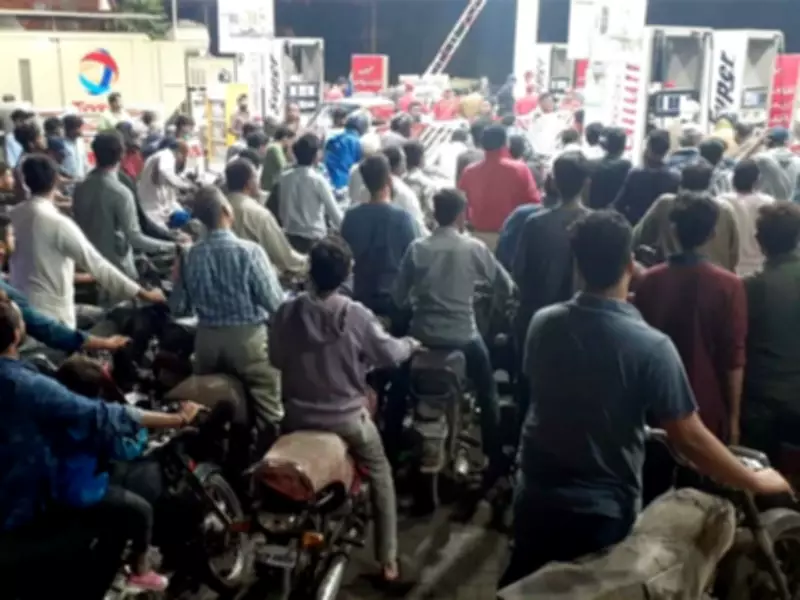
In a significant disruption to judicial operations, all courts across the Rawalpindi Division will remain completely closed for two days, Friday and Saturday, due to a severe petroleum shortage triggered by the ongoing US–Israel war on Iran. This closure affects a wide range of judicial bodies, including the Lahore High Court (LHC)'s Rawalpindi bench, as well as session, civil, family, magistrate, and special courts.
Impact on Judicial Proceedings and Detainee Transport
The closure has led to the adjournment of all cases scheduled for these two days without any proceedings. Additionally, no detainees will be transported from Adiala Jail to courts in Rawalpindi or Islamabad for hearings during this period, further delaying legal processes.
Limited Operations for Urgent Matters
Despite the widespread shutdown, limited judicial functions will continue at the District Courts in Rawalpindi. Two duty civil judges have been appointed for each day to handle only urgent matters. These include:

- Physical remand applications
- Judicial remand requests
- Urgent bail applications
It is important to note that no regular cases will be taken up, ensuring that only critical issues are addressed during this emergency period.
Official Confirmation and Recent Court Activities
District Bar Association President Tariq Mahmood Sajid Awan has issued a circular confirming these arrangements, providing official validation of the closure and the limited operational plan.
Meanwhile, on Thursday, just before the shutdown, courts across the division were active. Session, civil, family, magistrate, and special courts collectively:
- Granted physical remand to 34 accused persons
- Sent 21 individuals to jail on judicial remand
- Convicted four individuals
- Acquitted one person
In family matters, divorce decrees were issued to four women, while one woman was sent to a shelter home (Dar-ul-Aman). Additionally, in separate narcotics cases, accused individuals were sentenced to 10 years and nine years of imprisonment, respectively.
This two-day closure highlights the broader impacts of geopolitical conflicts on local infrastructure and daily operations, underscoring the vulnerability of essential services like the judiciary to external crises.