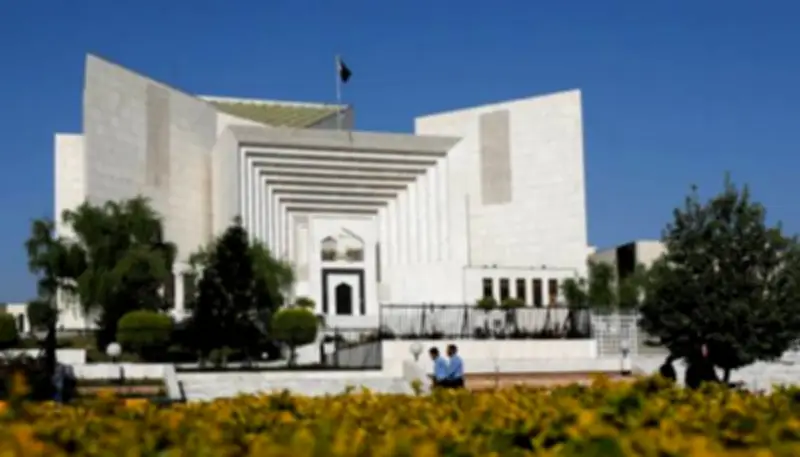
The Supreme Court of Pakistan on Wednesday expressed deep concern over the rising incidents of illegal organ trafficking and the illicit sale of kidneys, terming it a highly serious and complex issue that often involves doctors, hospitals, and regulatory failures. A three-member bench, headed by Justice Hashim Kakar, made these observations while hearing an acquittal plea filed by Dr. Fawad Mumtaz Khan, a Taxila-based physician sentenced to seven years in prison for his involvement in organ trafficking. Officials from the Punjab Human Organ Transplantation Authority were also in attendance.
Regulatory Lapses Highlighted
During the proceedings, the bench highlighted the growing trend of illegal organ extraction and transplantation. Justice Kakar noted that regulatory control in Punjab appears virtually non-existent, making it easy for individuals to procure kidneys from the province. He remarked that a kidney can be easily obtained for 1.8 to 2 million rupees, with traffickers shamelessly exploiting the poverty of donors. The Punjab government prosecutor informed the court that while buyers pay millions, donors typically receive only two to four hundred thousand rupees, with agents pocketing the remainder.
Systemic Failures and Complicity
Justice Salahuddin Panhwar questioned the alarming prevalence of these practices in the province. The court was briefed on specific charges against Dr. Khan, who is accused of luring a citizen with a promise of employment, rendering the victim unconscious, and extracting a kidney without consent. The prosecutor revealed that the accused doctor faces ten additional cases of a similar nature. Justice Panhwar emphasized that such crimes often point to systemic failure, noting that doctors, hospitals, and relevant government institutions are sometimes complicit.

The Supreme Court has directed all parties to appear at the next hearing with comprehensive records to facilitate a final decision on the complex case. The proceedings were adjourned until June 11. Dr. Fawad Mumtaz Khan had previously been sentenced to seven years of rigorous imprisonment by a trial court, a verdict upheld by the High Court. He has now moved the Supreme Court to overturn his conviction.