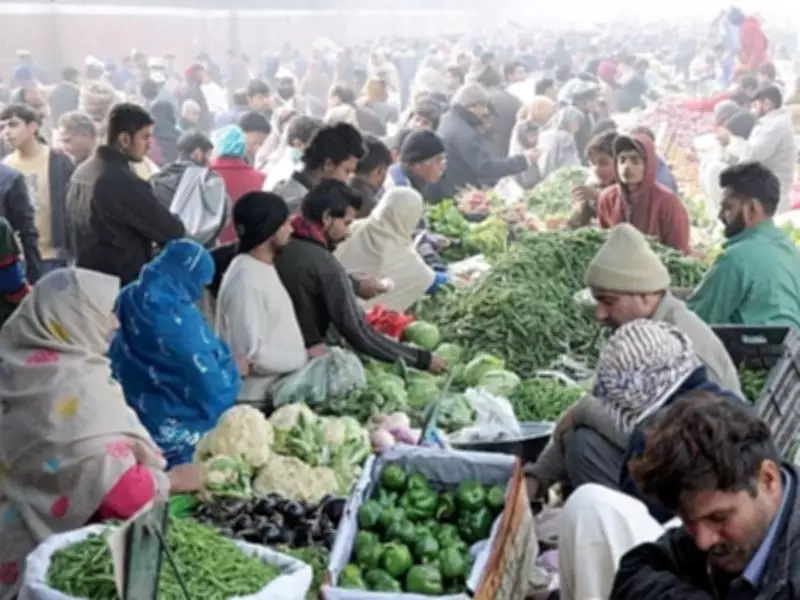
Administration Fixes Ramazan Prices to Ensure Fair Market Practices
The local administration has taken decisive action by officially setting and fixing prices for essential goods during the holy month of Ramazan. This measure aims to curb overcharging and protect consumers from price gouging, ensuring that basic necessities remain affordable for all citizens. The price list covers a wide range of items, including food staples and other daily essentials, which are in high demand during this period.
Comprehensive Price Control Measures Implemented
In a move to maintain market stability, the administration has released a detailed price list that specifies maximum retail prices for key commodities. This initiative is part of a broader strategy to prevent inflation and exploitation, particularly targeting vendors who might take advantage of increased consumption during Ramazan. Authorities have emphasized that strict monitoring will be enforced, with penalties for those found violating the set prices.
The fixed prices apply to various essential goods such as flour, sugar, cooking oil, pulses, and vegetables, which are crucial for households preparing for iftar and suhoor. By standardizing these costs, the administration seeks to reduce financial strain on families and promote equitable access to necessities. This step is expected to foster a more transparent and fair trading environment throughout the month.

Enhanced Surveillance and Consumer Support Systems
To ensure compliance, the administration has deployed teams to conduct regular inspections at markets and retail outlets. These teams will check price tags and verify that sellers are adhering to the official list, with immediate action taken against any discrepancies. Additionally, a helpline has been established for consumers to report overcharging or other price-related issues, facilitating quick resolution and accountability.
This proactive approach not only safeguards consumer interests but also supports local businesses by preventing unfair competition and price wars. The administration has urged the public to cooperate by purchasing goods only from authorized vendors and verifying prices before making transactions. Such collaborative efforts are vital for the success of this price-fixing initiative and for maintaining economic harmony during Ramazan.
Overall, the administration's decision to fix Ramazan prices reflects a commitment to social welfare and economic justice, aiming to create a balanced market that benefits both consumers and traders. As the holy month approaches, these measures are poised to play a critical role in ensuring that all citizens can observe Ramazan without undue financial burden.