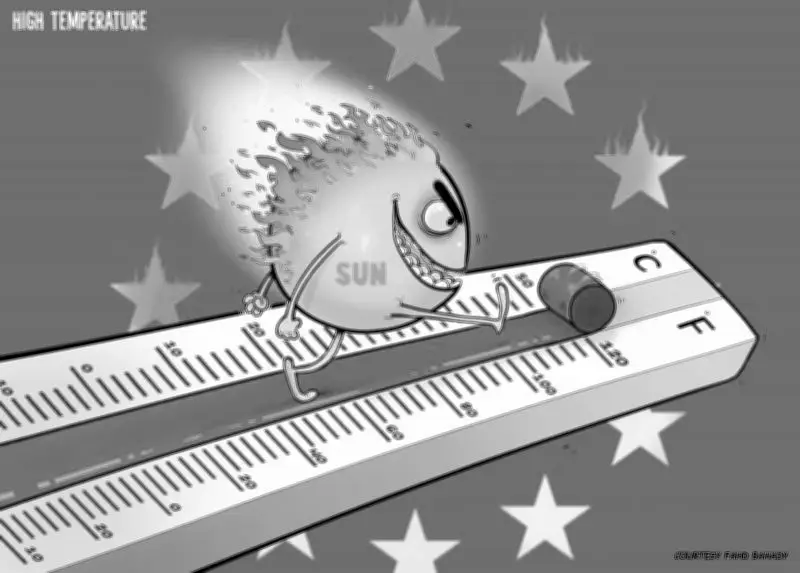
The cartoon, published on June 30, 2026, serves as a sharp commentary on the intersection of society and politics. It captures the prevailing mood of the public, who are increasingly vocal about their frustrations with governance and social norms. The artwork uses satire to highlight the disconnect between political rhetoric and ground realities.
Political Satire and Public Sentiment
Through exaggerated characters and scenarios, the cartoon critiques the government's handling of economic challenges. It shows a politician making promises while citizens struggle with inflation and unemployment. This reflects widespread dissatisfaction, as polls indicate that 65% of the population feels the government is not addressing their concerns effectively.
According to political analyst Dr. Farhan Ali, "Cartoons like these are a barometer of public mood. They often capture what people feel but cannot express openly." The cartoon's timing is significant, coming amidst a series of protests over rising prices.

Media's Role in Shaping Discourse
The cartoon also comments on the media's role. It depicts a journalist with a microphone, but the sound is directed away from the public, symbolizing how media sometimes ignores grassroots issues. This has sparked debate about press freedom and responsibility. The Pakistan Federal Union of Journalists issued a statement emphasizing the need for unbiased reporting.
Critics argue that such cartoons can polarize opinions, but supporters see them as essential for democracy. The cartoonist, known for previous works on social issues, said in an interview, "My goal is to provoke thought, not to offend. If a cartoon makes people question, it has done its job."
Impact on Social Media
The cartoon went viral on social media platforms, with over 50,000 shares within hours. Hashtags like #CartoonCommentary trended on Twitter, with users debating its message. Some praised it for its honesty, while others condemned it as divisive. This highlights the power of visual satire in the digital age, where images can spread faster than text.
In conclusion, the cartoon is not just a piece of art but a reflection of societal tensions. It underscores the importance of free expression and the role of satire in holding power accountable. As Pakistan navigates complex challenges, such commentaries remain vital for public discourse.