Political Cartoon Ignites National Debate on Government Policies
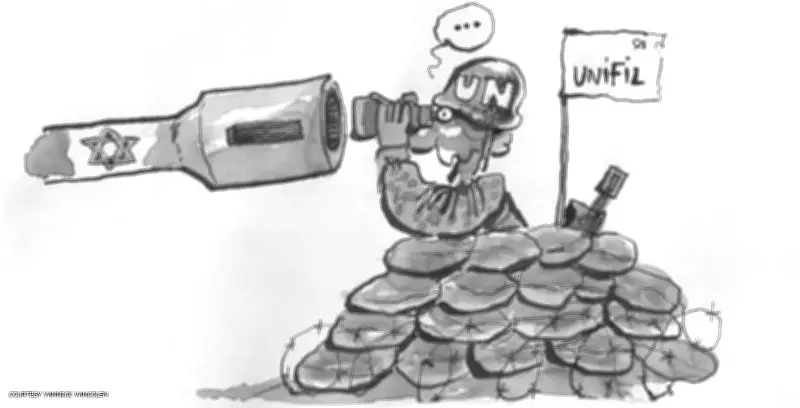
A recent political cartoon published in a major Pakistani newspaper has sparked intense debate and controversy across the nation. The cartoon, which humorously critiques current government policies, has drawn attention from various sectors of society, including politicians, activists, and the general public.
Reactions from Political Circles
Members of the ruling party have expressed strong disapproval of the cartoon, labeling it as misleading and disrespectful. In contrast, opposition leaders have praised the cartoon for highlighting what they perceive as flaws in government decisions. This divergence in opinions has fueled further discussions on freedom of expression and the role of satire in political discourse.
Public Engagement and Social Media Buzz
The cartoon has gone viral on social media platforms, with users sharing their interpretations and opinions. Many citizens have used this opportunity to voice their concerns about economic policies, inflation, and other pressing issues. The widespread engagement indicates a growing public interest in political matters and a desire for more transparent governance.

Historical Context of Political Cartoons in Pakistan
Political cartoons have a long history in Pakistan, often serving as a tool for social commentary and criticism. They provide a unique medium for artists to convey complex political messages in an accessible and engaging manner. This latest cartoon continues that tradition, reflecting the ongoing tensions and challenges within the country's political landscape.
Implications for Media and Freedom of Expression
The controversy surrounding the cartoon raises important questions about media freedom and the boundaries of political satire in Pakistan. While some argue that such cartoons are essential for a healthy democracy, others caution against potential misuse that could incite unrest. This debate underscores the delicate balance between creative expression and social responsibility.
In summary, the political cartoon has become a focal point for broader discussions on government policies and democratic values in Pakistan. It highlights the power of visual media to influence public opinion and stimulate critical thinking among citizens.