Djibouti President Ismail Omar Guelleh Wins Fifth Term with 97.8% Vote Share
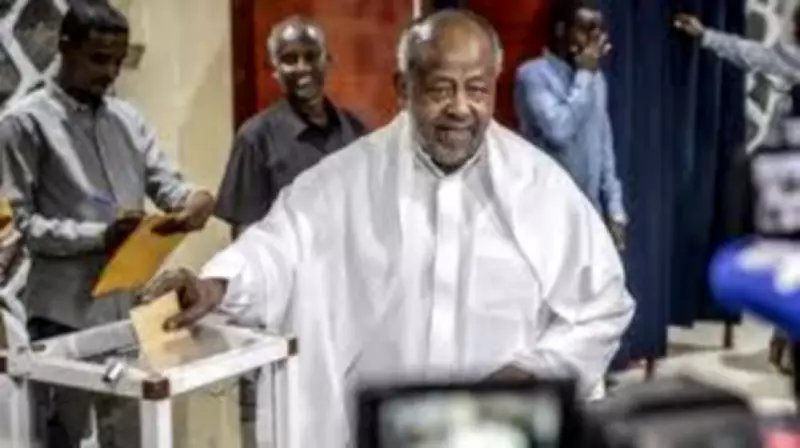
State media in Djibouti has announced that President Ismail Omar Guelleh has secured a resounding victory in the presidential election, winning a fifth term with an overwhelming 97.8% of the vote. The election, which took place recently, saw Guelleh, who has been in power since 1999, extend his rule in the strategically located Horn of Africa nation. This result underscores his continued dominance in Djibouti's political landscape, where he has maintained firm control over the government and key institutions.
Opposition Boycott and Election Context
The election was marked by a significant boycott from the main opposition groups, who cited concerns over the fairness and transparency of the electoral process. Critics have long accused Guelleh's administration of suppressing dissent and limiting political freedoms, which they argue undermines democratic principles. Despite the boycott, state media reported a high voter turnout, though independent verification of these figures remains challenging due to limited access for international observers.
Djibouti, a small but strategically important country, hosts military bases for several global powers, including the United States, China, and France, making its political stability a matter of international interest. Guelleh's re-election is expected to ensure continuity in foreign policy and economic partnerships, particularly regarding infrastructure projects like ports and railways that are central to Djibouti's development strategy.

Implications for Regional and International Relations
With this victory, President Guelleh is poised to continue his leadership amid regional challenges, including tensions in neighboring Somalia and Ethiopia. His administration has focused on leveraging Djibouti's geographic position to boost trade and investment, positioning the country as a key logistics hub in East Africa. However, human rights organizations have raised alarms about the erosion of civil liberties under his rule, calling for greater accountability and reform.
As Djibouti moves forward under Guelleh's extended tenure, analysts will be watching closely for any shifts in domestic policies or international alliances. The election outcome, while predictable given the opposition's absence, highlights the complex dynamics of power and governance in a nation that plays a critical role in global maritime and military affairs.