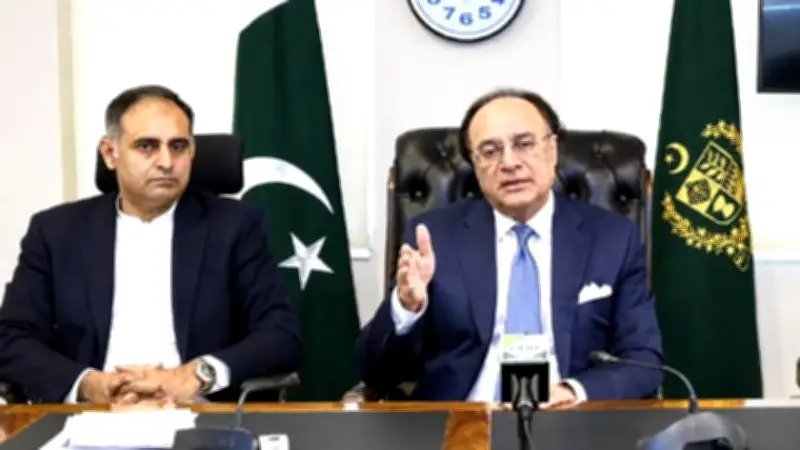
Pakistan's federal government has unveiled a new fixed tax regime aimed at integrating small retailers into the formal tax system while simplifying tax procedures and encouraging wider compliance. Addressing a joint press conference, Finance Minister Muhammad Aurangzeb and Minister of State for Finance Bilal Azhar Kayani detailed the initiative, emphasizing that the government's tax reform strategy focuses on broadening the tax base and lowering tax burdens through increased participation rather than higher rates.
Economic Resilience and Tax Reform
Aurangzeb stated that the country's economy has remained resilient despite facing significant challenges over the past year, including natural disasters and regional geopolitical tensions. He underscored that strengthening a transparent and equitable taxation framework remains central to the government's economic agenda.
Design and Eligibility of the Fixed Tax Scheme
Bilal Azhar Kayani announced that the fixed tax scheme was designed following extensive consultations with trader bodies and business representatives. The initiative will be available to retailers with annual sales of up to Rs200 million, while eligible businesses may also choose to remain under the existing taxation system.

Under the new framework, participating shopkeepers will receive a dedicated identification plate issued by the Federal Board of Revenue (FBR), featuring the business name, National Tax Number (NTN), and other relevant tax details. The plate will also carry a QR code to facilitate verification.
Inspection and Audit Procedures
Kayani explained that FBR officials will be required to scan and verify the QR code before conducting any inspection, and inspectors will not be permitted to enter a registered shop without completing this process. He further stated that businesses enrolled in the scheme will generally be exempt from routine audits. Any special audit process, if required, will be undertaken after consultation with trader associations, while a dedicated committee will be established to address audit-related concerns.
Potential Impact on Tax Base
Highlighting the potential impact of the initiative, Kayani noted that Pakistan is home to an estimated three to four million small retailers. He said bringing a significant portion of these businesses into the documented economy would mark a major step forward in the country's tax reform efforts.
Government Support and Stakeholder Engagement
The minister added that the scheme was developed with the backing of Prime Minister Shehbaz Sharif and Finance Minister Muhammad Aurangzeb through collaboration between FBR authorities and representatives of the trading community. He expressed optimism that continued engagement with stakeholders would contribute to the programme's successful implementation and strengthen tax compliance nationwide.