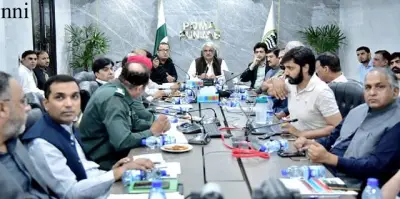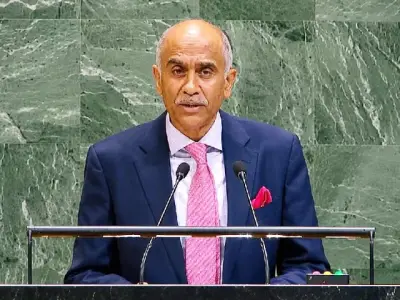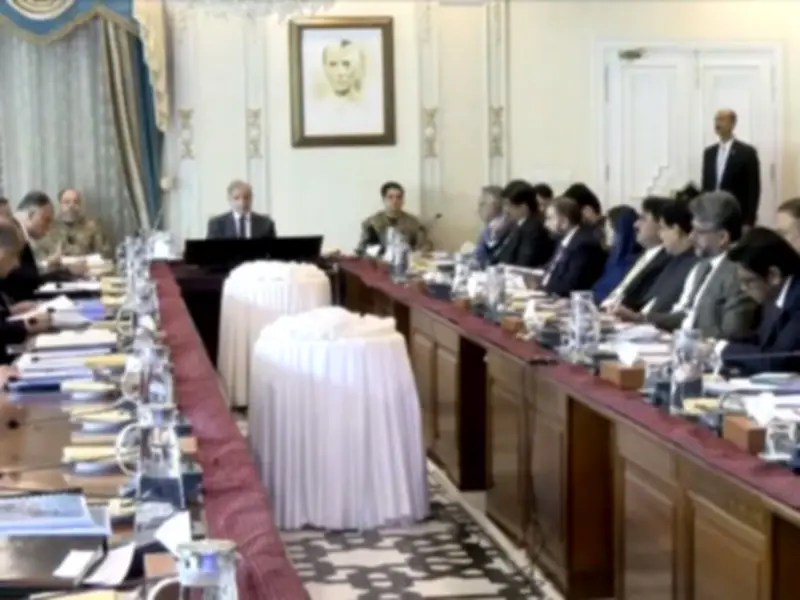
Prime Minister Shehbaz Sharif on Wednesday expressed appreciation for the collaboration of all provincial chief ministers during the budget formulation process, stating that all decisions were made in the larger national interest. Addressing a meeting of the National Economic Council (NEC), the prime minister noted that Pakistan has achieved macroeconomic stability and must now prioritize accelerating economic growth, boosting employment opportunities, and enhancing the living standards of ordinary citizens.
Federal-Provincial Coordination
The prime minister highlighted that the federal government worked with complete sincerity and maintained close consultations with the provinces on all significant matters, ensuring decisions aligned with national interests. He acknowledged the support of provincial chief ministers in managing financial resources during challenging times and emphasized that moving forward, economic activity and development are a joint responsibility of the federation and the provinces.
Economic Challenges and Strategies
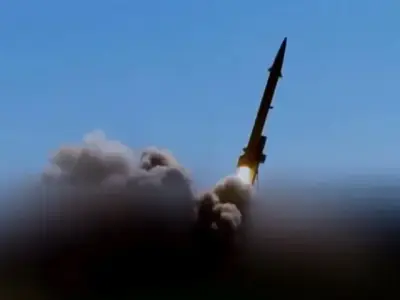
PM Shehbaz noted that Pakistan remains in the International Monetary Fund (IMF) program and has successfully navigated several difficult challenges. Referring to recent regional tensions, he stated that oil prices had risen due to the crisis, creating additional economic pressures. However, unity and coordination among all four provinces helped the government effectively manage the situation and ensure uninterrupted fuel supplies across the country. “Due to well-planned policies and close coordination, there was no panic at petrol pumps,” he remarked.

Defence and Security
Speaking about the defence budget, the prime minister paid tribute to the sacrifices made by law enforcement agencies and the armed forces in the fight against terrorism. “Our officers and personnel are making immense sacrifices against terrorism,” he said, expressing confidence that terrorism would be eradicated through collective national efforts.
Focus on Growth and Basic Facilities
The prime minister observed that despite macroeconomic stability, ordinary citizens remain concerned about employment opportunities and access to basic facilities. “To address these concerns, we must accelerate economic growth,” he said, stressing the need to promote agriculture, exports, and industrial development. He underlined the importance of mobilizing resources and providing incentives to key sectors to revive industrial activity and strengthen the national economy.
IMF Engagement
PM Shehbaz also informed the meeting that he had held a detailed discussion with the IMF managing director the previous night. He said she appreciated Pakistan’s sincere efforts to stabilize the economy and expressed support for the country’s reform agenda. The prime minister stated that Pakistan must move forward with greater speed and determination to achieve sustainable economic growth and prosperity.
NEC Reviews Rs1 Trillion Development Plan
The government had postponed the NEC meeting four times to develop initial understanding among stakeholders over the next fiscal year's budget. Tariq Fazal Chaudhry, Minister for Parliamentary Affairs, said on Tuesday that the summary to convene the budget session has been moved, and the budget would likely be presented on Friday, June 12. Ahsan Iqbal stated that the proposed PSDP worth Rs1 trillion will be laid before the NEC, adding that no new development scheme will be included in the new fiscal year except for projects proposed by the Ministry of Defence and the Ministry of Interior. He said provincial governments would also adjust their proposed annual development plans to create additional fiscal space.
Another government official said that provinces would spare over Rs350 billion from their development budgets. According to the understanding, the newly reduced Rs1 trillion PSDP size can be increased to Rs1.4 trillion once the federating units agree to give more resources to the Centre. The government had demanded Rs1.2 trillion from the provinces for meeting its additional expenses and providing tax relief. However, no immediate consensus could be achieved to either deduct money from the National Finance Commission (NFC) through a presidential order or seek NEC approval. The IMF was also not comfortable with the NEC nod for additional spending.

Strategic Allocations
The federal government wanted to allocate Rs335 billion for water sector critical projects like Diamer Basha Dam, Mohmand Dam, and Dasu Dam. An additional Rs335 billion had been planned for strategically important initiatives. The IMF has reflected Rs2.665 trillion for defence spending for the next fiscal year, but the government wanted to sanction around Rs3 trillion due to increased hostilities on eastern and western borders.