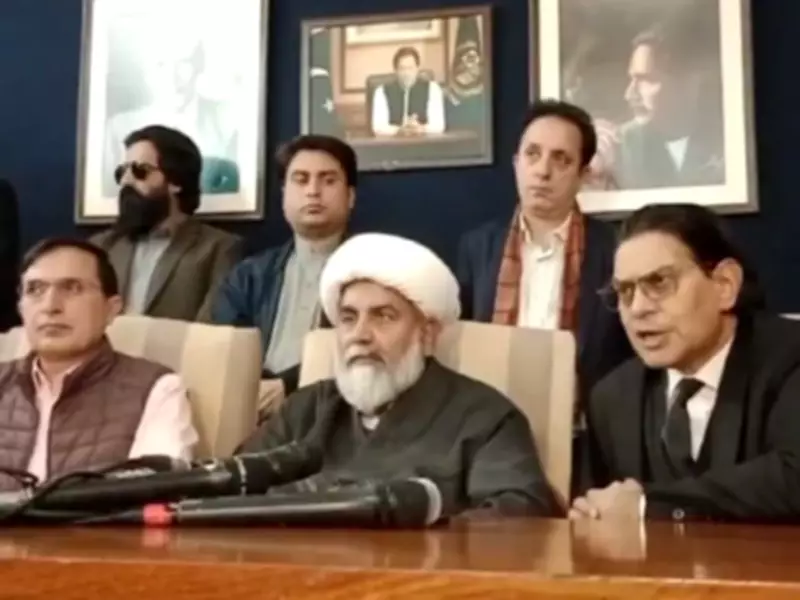
In a significant political development, the Pakistan Tehreek-e-Insaf (PTI) and the opposition bloc have reached a consensus on a joint strategy to challenge the current government's policies. This agreement, finalized after a series of meetings, aims to create a unified front against the ruling coalition, focusing on key issues such as electoral reforms, economic recovery, and governance.
Background of the Agreement
The PTI, led by former Prime Minister Imran Khan, has been in talks with various opposition parties, including the Pakistan Muslim League-Nawaz (PML-N) and the Pakistan Peoples Party (PPP), to form a joint strategy. The discussions intensified after the recent by-elections, where the opposition performed strongly. The agreement is seen as a move to consolidate opposition votes and present a credible alternative to the government.
Key Points of the Joint Strategy
The joint strategy includes several key points:

- Electoral Reforms: Both sides have agreed to push for transparent and fair elections, demanding the formation of an independent election commission.
- Economic Agenda: They will jointly address the economic crisis, focusing on inflation, unemployment, and debt management.
- Legislative Coordination: The opposition will coordinate their legislative agenda in the National Assembly and Senate to block controversial bills.
- Public Mobilization: Plans for joint public rallies and protests to pressure the government on key demands.
Reactions from Political Leaders
PTI Chairman Imran Khan stated, "This is a historic moment for Pakistan's democracy. We are united to save the country from the current government's incompetence." Opposition leader Shehbaz Sharif echoed similar sentiments, emphasizing the need for a collective effort to address the nation's challenges.
Challenges Ahead
Despite the agreement, analysts point out potential challenges. The PTI and PML-N have a history of rivalry, and trust issues may arise. Additionally, the PPP has expressed concerns about the strategy's focus, preferring a more moderate approach. However, leaders remain optimistic, highlighting the shared goal of democratic stability.
The joint strategy is expected to be formally announced at a press conference next week, with detailed plans for upcoming parliamentary sessions. The opposition aims to use this unity to influence the government's policy decisions and prepare for the next general elections.
Political experts view this development as a critical shift in Pakistan's political landscape. The success of the strategy will depend on the opposition's ability to maintain cohesion and effectively communicate their message to the public. As the situation evolves, all eyes are on the opposition's next moves.