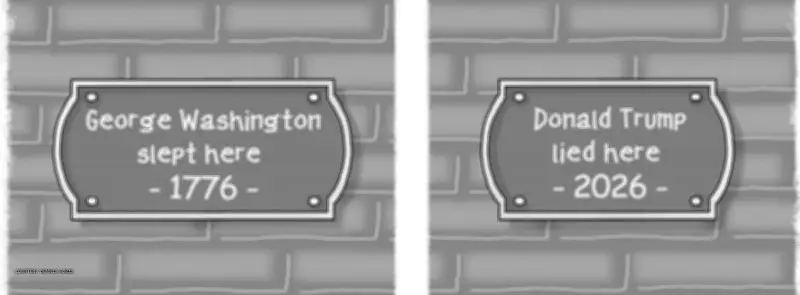
A controversial cartoon published in a leading Pakistani newspaper has sparked a fierce debate over the limits of press freedom and artistic expression in the country. The cartoon, which appeared in the daily's opinion section on Sunday, depicts a political figure in a satirical manner that many readers found offensive.
Cartoon Content and Immediate Reactions
The cartoon, drawn by a well-known Pakistani artist, shows a prominent politician in a compromising situation, accompanied by a caption that critics say crosses the line into defamation. Within hours of publication, social media erupted with both condemnation and support. The newspaper's editor defended the decision, stating that satire is a vital part of a free press.
According to a spokesperson for the political party depicted, the cartoon is a deliberate attempt to malign their leader and incite public hatred. They have threatened legal action against the newspaper and the cartoonist. Conversely, press freedom advocates argue that the cartoon falls within the bounds of legitimate political satire.

Legal and Ethical Implications
The controversy comes at a time when Pakistan's media landscape is under scrutiny. In recent years, several journalists and cartoonists have faced legal challenges for content deemed offensive. The Pakistan Federal Union of Journalists (PFUJ) has called for a balanced approach, urging both sides to respect the law while upholding the principles of free speech.
Legal experts note that Pakistan's laws on defamation and blasphemy can be used to restrict content, but they also emphasize that satire has a protected place in democratic societies. The case is likely to test the boundaries of these laws.
Public Opinion Divided
A poll conducted by a local news website shows that 55% of respondents believe the cartoon was offensive and should not have been published, while 45% support the newspaper's right to publish it. The divide reflects broader societal tensions between conservative values and liberal ideals.
Civil society groups have organized debates and seminars to discuss the issue, with many calling for a national dialogue on media ethics. The government has so far remained silent, but observers expect it may weigh in if the controversy escalates.
Impact on Media Freedom
This incident is the latest in a series of challenges to media freedom in Pakistan. According to the Pakistan Press Foundation, at least 15 journalists were arrested or faced legal action in 2025 for content related to political satire. The cartoon controversy could further embolden authorities to crack down on dissenting voices.
However, some analysts believe that the public debate itself is a sign of a healthy democracy. Dr. Ayesha Khan, a media studies professor at the University of Karachi, said, 'The fact that we are having this conversation openly is positive. But we must ensure that the outcome does not stifle creativity and criticism.'
Conclusion
As the debate continues, the newspaper stands by its publication, and the cartoonist has not commented. The coming weeks will reveal whether legal action is taken and what impact this will have on the future of satirical art in Pakistan.