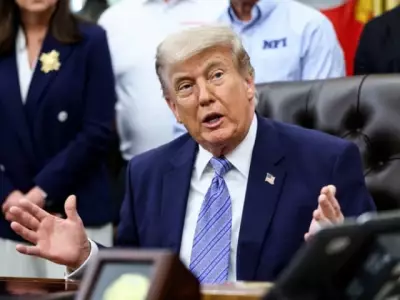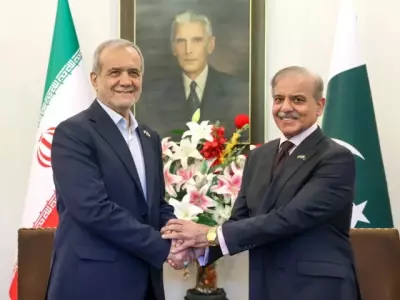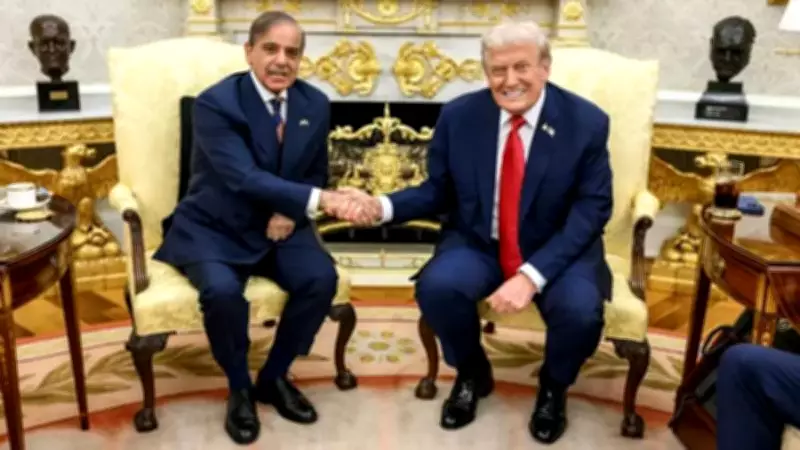
President Donald Trump's recent praise for Pakistan's Chief of Defence Forces, Field Marshal Asim Munir, referring to him as his 'favourite field marshal', has generated a wave of optimism in Islamabad. Combined with the 2025 US–Pakistan trade deal and the $1.25 billion US Export-Import Bank financing for the Reko Diq mine, it appears Pakistan has successfully re-engineered its relationship with Washington. However, a look at diplomatic history provides a sobering reality check.
Historical Patterns of Personal Diplomacy
Personal rapport with American presidents is not new for Pakistan's leadership. Field Marshal Ayub Khan was feted by Kennedy with a ticker-tape parade. General Zia-ul-Haq and Pervez Musharraf served as indispensable allies during the Cold War and the War on Terror. These eras featured high-level White House access and massive aid influxes, yet the global influence they brought was fleeting. Why? Because the relationship was built on 'strategic rent'—trading geographical location and military utility for short-term assistance.
Current Geopolitical Wins
Recent successes, such as mediation in the US–Iran conflict and the disciplined handling of the May 2025 crisis with India, prove Pakistan remains a capable stabiliser. The leadership deserves credit for navigating these challenges. However, while strategic location and military capability buy a seat at the table during crises, only economic strength provides the agency to shape that table.

The Need for Economic Independence
Oval Office luncheons and flattering diplomatic titles are excellent for breaking the ice, but only domestic unity and genuine economic muscle will secure Pakistan's future. Tactical alliances and transactional diplomacy cannot substitute for structural global influence generated by true economic independence. The new agreements on critical rare-earth minerals and trade tariffs are opportunities to pivot from an aid-dependent model. However, foreign capital and goodwill require a reliable, predictable environment to take root.
Domestic Unity as Foundation
To capitalise on this moment, Pakistan needs rock-solid political stability and broad public consensus. The state requires the majority of its people to be invested in its economic recovery plan. When government, institutions, and the public work in harmony, economic stabilisation becomes permanent. The era of relying on geography as the primary export must end. A self-sustaining, vibrant economy backed by an inclusive political environment and public support is the only real foundation for international influence.
In summary, while personal diplomacy can open doors, only domestic unity and economic strength can secure Pakistan's future on the world stage. The focus must shift inwards to transform diplomatic openings into lasting prosperity.