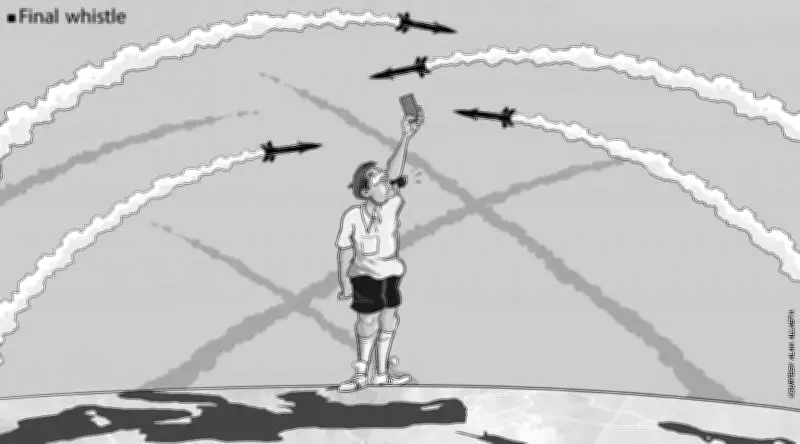
A controversial cartoon published in a leading Pakistani newspaper has sparked intense debate across the country over the boundaries of freedom of expression. The cartoon, which appeared in the daily Nation on July 8, 2026, depicts a satirical take on a recent political event, drawing sharp reactions from various segments of society.
Cartoon Content and Immediate Reactions
The cartoon, created by renowned cartoonist Zafar Ali, portrays a prominent political figure in a situation that critics say mocks religious sentiments. Within hours of publication, social media platforms were flooded with comments, both condemning and defending the cartoon. The newspaper’s editor defended the publication, stating that satire is a protected form of speech under the constitution. However, religious leaders and some political parties have called for an apology and legal action, arguing that the cartoon crosses the line into blasphemy.
According to a spokesperson for the Pakistan Ulema Council, “Such depictions are not only offensive but also incite hatred and must be dealt with according to the law.” On the other hand, free speech advocates have rallied behind the newspaper, emphasizing the importance of artistic expression in a democratic society.

Legal and Constitutional Implications
The controversy has raised questions about Pakistan’s blasphemy laws and their application to media content. Legal experts point out that while the constitution guarantees freedom of speech, it is subject to limitations, particularly regarding religion. “The balance between free expression and religious sensitivity is a delicate one,” said constitutional lawyer Ayesha Malik. “This case will likely test the boundaries of that balance.”
The Pakistan Electronic Media Regulatory Authority (PEMRA) has issued a show-cause notice to the newspaper, demanding an explanation. The notice states that the content may violate Section 20 of the PEMRA Ordinance, which prohibits material that is “against the ideology of Pakistan” or “offensive to the religious sentiments of any community.”
Public Opinion and Social Media Divide
Social media has become a battleground, with hashtags both supporting and condemning the cartoon trending nationwide. A survey conducted by the Digital Rights Foundation found that 62% of respondents believed the cartoon should not have been published, while 38% defended it as legitimate satire. The divide reflects broader societal tensions between conservative and liberal views on freedom of expression.
Prominent journalist and analyst Hamid Mir commented, “This incident highlights the urgent need for a national dialogue on what constitutes acceptable satire and where the line should be drawn.”
Impact on Media and Future of Satire
The controversy has prompted other newspapers to review their editorial policies regarding cartoons and satire. Some have announced voluntary guidelines to avoid similar disputes. The Pakistan Federal Union of Journalists (PFUJ) has called for a meeting to discuss the issue, warning that self-censorship could undermine press freedom.
“We must not let fear dictate what we publish,” said PFUJ Secretary General Nasir Zaidi. “At the same time, we must be mindful of the sensitivities of our diverse society.”
As the debate continues, the fate of the cartoonist and the newspaper remains uncertain. Legal proceedings are expected to unfold over the coming weeks, with potential implications for media regulation in Pakistan.