NPAC: A National Platform for Peace and Unity
The National Paigham-e-Aman Committee (NPAC) has emerged as a transformative platform in Pakistan, bringing together religious scholars, spiritual leaders, representatives of all schools of thought, minority faith leaders, and state institutions. This inclusive body is dedicated to promoting peace, religious harmony, and national unity, moving beyond the mere absence of conflict to foster justice, mutual respect, and shared national purpose.
NPAC includes leaders from Christian, Hindu, Sikh, and other faith communities alongside Muslim scholars, reflecting Pakistan's commitment to interfaith harmony and inclusive nation-building. The committee serves as a practical framework for conflict prevention, confidence-building, and social cohesion, addressing extremism, intolerance, and identity-based polarization.
Unprecedented Consensus on Code of Conduct
For the first time in Pakistan's contemporary history, scholars from all major schools of thought unanimously endorsed the Paigham-e-Pakistan Code of Conduct for Muharram-ul-Haram. This code rejects sectarian violence, terrorism, hate speech, religious vigilantism, and the misuse of religion for political or ideological violence. It reaffirms the sanctity of revered Islamic personalities, emphasizes constitutional rights, protects religious minorities, and underscores that differences in jurisprudence must never become a source of hostility.

The code's greatest achievement lies in the unprecedented consensus supporting it. NPAC transformed this declaration into a nationwide movement through continuous engagement with scholars, mosque leaders, educational institutions, provincial administrations, and security agencies. Conferences, seminars, and dialogue forums across Pakistan have strengthened community confidence and established mechanisms for resolving tensions before they escalate.
Preserving Peace During Muharram
One of the committee's most demanding responsibilities has been preserving peace during Muharram-ul-Haram. Religious scholars from every school of thought jointly reaffirmed their commitment to the code of conduct and pledged cooperation in ensuring the peaceful observance of Majalis, processions, and Friday congregations. Peace seminars held across the country reinforced values of mutual respect, patience, and restraint.
A nationwide Muharram Helpline, launched in coordination with the Ministry of Interior, provincial governments, and law-enforcement agencies, enabled citizens to report attempts to incite violence or sectarian hatred. This initiative demonstrated the practical impact of NPAC's collaborative approach.
Partnership with State Institutions
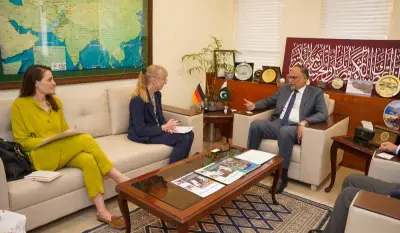
NPAC has developed a strong partnership with state institutions through regular consultations with the Ministry of Interior, provincial governments, law-enforcement agencies, and security institutions. This collaboration has created an effective mechanism for conflict prevention and crisis management, ensuring that peace efforts are coordinated and sustainable.
According to the Prime Minister's Coordinator for NPAC and Chairman of the Pakistan Ulema Council, "The NPAC stands as a testament to what Pakistan can achieve when scholars, institutions and citizens unite around shared values."
Future Vision: Expanding Peace Initiatives
Looking ahead, NPAC seeks to expand provincial and district peace committees, strengthen youth engagement, counter online extremism through digital literacy, deepen interfaith dialogue, empower women as ambassadors of peace, and enhance cooperation with religious and academic institutions worldwide. Building on Pakistan's experience of fostering national consensus, NPAC aspires to position the country as a global centre for dialogue among civilizations and faith communities.
The committee's inclusive approach extends beyond inter-sect harmony to embrace interfaith understanding, reinforcing constitutional protections and equal respect for all communities. This vision has translated into practical outcomes that demonstrate Pakistan's commitment to sustainable peace through dialogue, trust, and collective ownership.