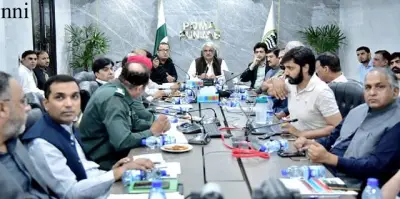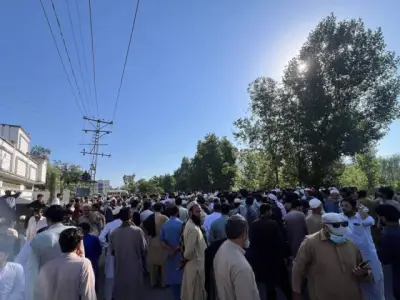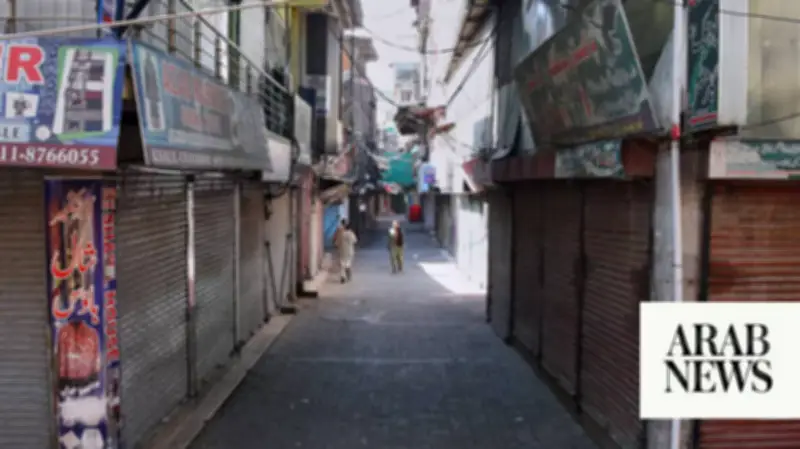
A strike called by a recently banned group, the Joint Awami Action Committee (JAAC), brought businesses and public transport to a standstill across Azad Kashmir on Tuesday. The shutdown followed deadly clashes on Sunday in Rawalakot between JAAC supporters and security forces, which left seven people dead.
Background of the Conflict
The violence erupted after the Supreme Court of Azad Kashmir ruled that 12 legislative seats reserved for Kashmiri refugees living in Pakistan are constitutionally protected and cannot be abolished without a constitutional amendment. The JAAC, formed in 2003, demands greater political rights for the people of Kashmir and the abolition of these refugee seats.
Impact of the Strike
Residents of Muzaffarabad, the regional capital, and other towns reported that markets were largely empty and bus terminals deserted on Tuesday. However, it remains unclear whether people were participating in the strike or avoiding public spaces out of fear of renewed clashes.

The JAAC had called for a "long march" from Rawalakot to Muzaffarabad and a strike before the recent violence. Witnesses said thousands of supporters gathered in Mirpur to travel to Rawalakot, where leaders were expected to begin the march toward Muzaffarabad.
Government Response
Authorities have deployed additional police and security personnel in the region and suspended Internet services in major cities to prevent people from joining the march. Police and the regional government accused armed JAAC supporters of opening fire on officers during Sunday's clashes, the deadliest the region has seen in years. During similar unrest last year, several officers were abducted and tortured after being taken captive.
The regional government banned the JAAC last week, citing concerns about public order and security, and detained dozens of its supporters. Regional Prime Minister Faisal Mumtaz Rathore said Monday he remained open to talks with the group's representatives. He stated that the government had accepted most of the JAAC's demands during last year's negotiations, except for the abolition of refugee seats and the end of benefits given to government officials and ministers, which, due to constitutional constraints, must be addressed by the Legislative Assembly.
Broader Context
The refugee seats are reserved for people who migrated to Pakistan from Indian-controlled Kashmir decades ago and are intended to represent communities displaced by the long-running conflict over the Himalayan region. The JAAC argues that these seats give disproportionate influence to people living outside the territory.
The Himalayan region of Kashmir is divided between Pakistan and India, both of which claim it in its entirety and have fought two wars over the territory since gaining independence from British rule in 1947. Tensions have been rising for weeks ahead of elections scheduled for next month. The current Legislative Assembly has completed its term, and political debate has intensified over the future of the refugee seats following the court ruling.