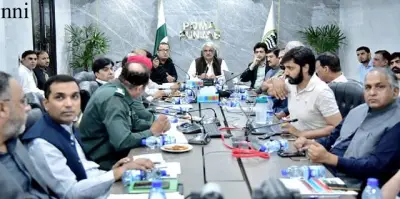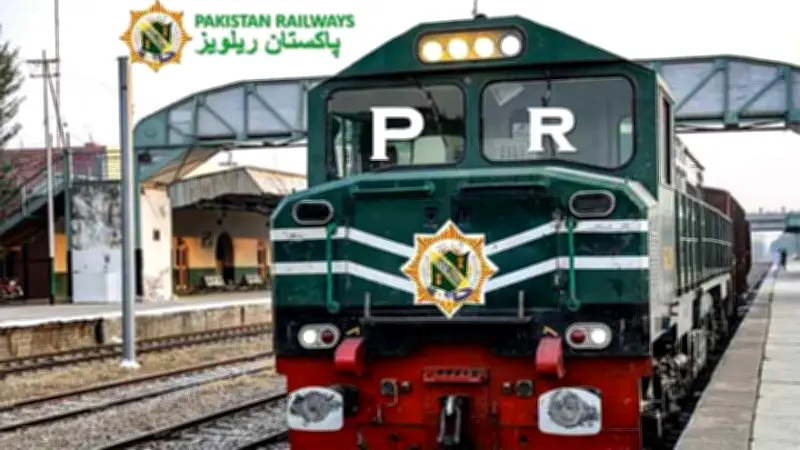
Prime Minister Shehbaz Sharif has approved a comprehensive reform roadmap aimed at modernising Pakistan Railways, enhancing operational efficiency, and ensuring the long-term financial sustainability of the national rail network. The decision was made during a high-level meeting on railway reforms, where officials presented detailed restructuring plans and performance targets designed to transform the railway sector into a modern and commercially viable transport system.
Focus on Freight and Private Investment
Addressing the meeting, the prime minister said Pakistan Railways possesses significant potential to emerge as a safe, affordable, and efficient mode of transportation for both passengers and freight. He stressed that freight services should remain the central focus of future development efforts, describing them as the backbone of the railway system. Shehbaz Sharif directed authorities to seek support from internationally recognised experts and consultants to facilitate the effective implementation of the reform agenda. He also underscored the importance of attracting private investment through public-private partnerships (PPPs) to improve infrastructure, service delivery, and operational performance.
Strategic Objectives and Digital Transformation
According to officials, the strategic roadmap outlines several major objectives, including increasing railway market share in passenger and cargo transportation, improving service standards, expanding network capacity, and achieving greater financial stability. The reform programme also includes measures to strengthen institutional governance, accelerate digital transformation, expand rail infrastructure, and improve regional connectivity. Authorities said the initiative is intended to position Pakistan Railways as a competitive and sustainable transportation provider.

Environmental and Economic Benefits
The prime minister noted that a more efficient railway system would help reduce congestion on road networks, lower carbon emissions, and encourage environmentally sustainable transport solutions across the country. He added that railway sector development would support regional trade, economic growth, and investment opportunities. Revenue generated through private-sector participation in railway land and assets is expected to be reinvested into infrastructure upgrades and operational improvements.
Modernisation of Key Corridors
The roadmap further includes the modernisation of major rail corridors, including ML-1, ML-2, and ML-3, alongside improvements in passenger amenities, station facilities, and railway coaches. Rightsizing initiatives and efficiency-driven reforms also form part of the broader restructuring strategy. The meeting was attended by Planning Minister Ahsan Iqbal, Railways Minister Muhammad Hanif Abbasi, Adviser on Privatisation Muhammad Ali, and senior government officials.