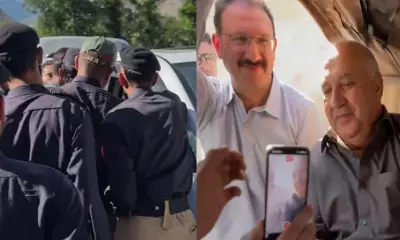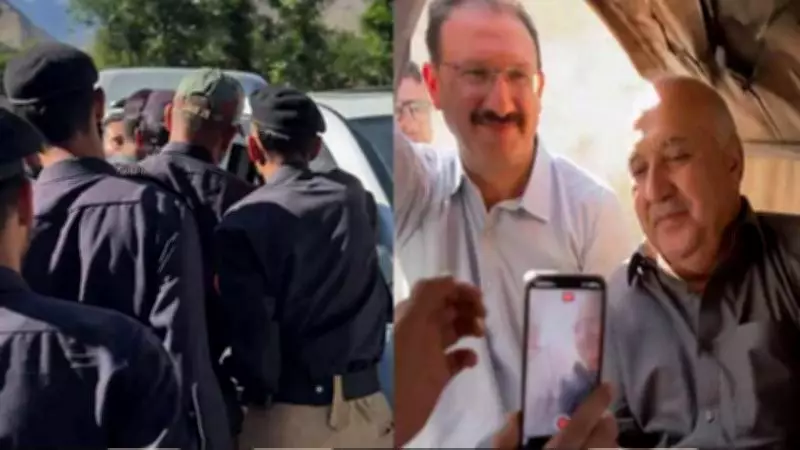
Pakistan Tehreek-e-Insaf (PTI) leader Junaid Akbar was detained by law enforcement agencies in Gilgit-Baltistan on Tuesday while he was actively campaigning for the upcoming regional elections. The detention occurred in the Skardu district, where Akbar was scheduled to address a series of public gatherings and party meetings.
Details of the Detention
According to party sources, Akbar was taken into custody from his hotel room late at night by a joint team of police and intelligence officials. No official reason for the detention has been provided, but PTI leaders have condemned the move as a politically motivated crackdown aimed at stifling opposition voices ahead of the polls. Akbar, who is a prominent PTI figure in the region, had been leading a vigorous campaign focusing on issues such as local development, employment, and governance reforms.
Political Reactions
The PTI has swiftly reacted to the detention, with party chairman Imran Khan calling it an act of political victimization. In a statement, Khan demanded the immediate release of Akbar and accused the caretaker government in Gilgit-Baltistan of using state machinery to harass opposition candidates. Other opposition parties, including the Pakistan People's Party (PPP) and the Awami National Party (ANP), have also expressed solidarity with PTI and called for a transparent investigation into the incident.

Election Context
The Gilgit-Baltistan elections, scheduled for next month, are seen as a crucial test for the region's political landscape. The PTI has been campaigning aggressively, hoping to unseat the incumbent Pakistan Muslim League-Nawaz (PML-N) government. However, the detention of a key leader like Akbar has raised concerns about the fairness of the electoral process. Observers note that such incidents could undermine public confidence in the elections and lead to increased polarization.
Legal and Security Implications
Legal experts have pointed out that the detention without clear charges violates basic legal norms. The PTI has announced plans to challenge the arrest in court, while also mobilizing supporters for protests across the region. Security forces remain on high alert in Skardu and other parts of Gilgit-Baltistan to prevent any potential unrest. The situation underscores the fragile political environment in the region, where elections often witness heightened tensions.
As the election campaign enters its final phase, all eyes will be on the fate of Junaid Akbar and the broader implications for democratic processes in Gilgit-Baltistan. The PTI's ability to continue its campaign without its key leader will be a significant challenge, and the party is expected to ramp up its rhetoric against what it perceives as a crackdown on political dissent.