Balochistan's Complex Issues Require Tailored, Localized Approaches
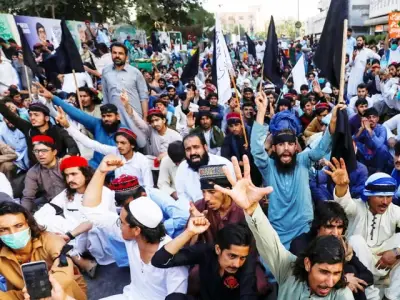
Balochistan, Pakistan's largest province by area, faces a multitude of interconnected challenges that have persisted for decades, ranging from deep-seated socio-economic disparities to ongoing security concerns. These problems are not merely regional variations of national issues but are deeply rooted in the province's unique historical, geographical, and cultural context. As such, there is a growing consensus among analysts and stakeholders that effective resolutions must originate from within Balochistan itself, rather than being imposed from external centers of power.
The Multifaceted Nature of Balochistan's Struggles
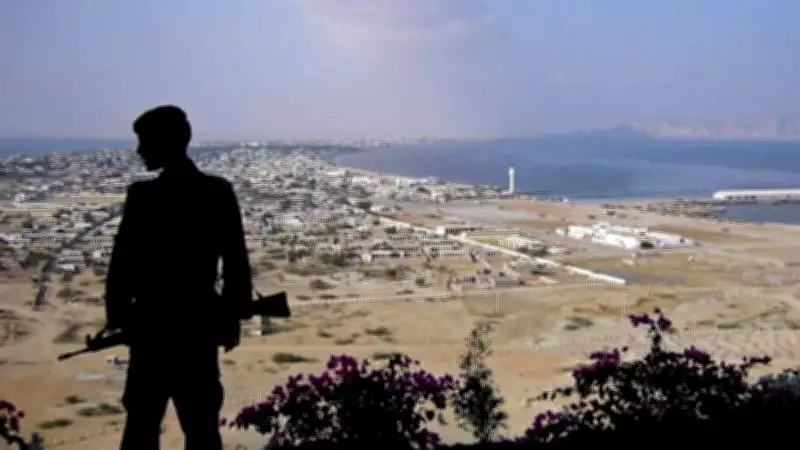
The province's difficulties are multifaceted, encompassing economic underdevelopment, inadequate infrastructure, limited access to education and healthcare, and persistent political alienation. Economically, despite being rich in natural resources such as natural gas, minerals, and a strategic coastline, Balochistan remains one of the least developed regions in Pakistan. This paradox of poverty amid plenty highlights systemic issues in resource distribution and governance. Furthermore, security challenges, including insurgency and lawlessness, have exacerbated these socio-economic woes, creating a cycle of instability that hinders progress.
Why Generic National Policies Fall Short
Historically, attempts to address Balochistan's problems have often involved top-down approaches from federal authorities, which have frequently proven ineffective or even counterproductive. These generic national policies fail to account for the province's distinct demographics, tribal structures, and local grievances. For instance, large-scale infrastructure projects initiated without meaningful local consultation have sometimes fueled resentment rather than fostering development. This disconnect underscores the need for solutions that are not only designed in Islamabad or other urban centers but are co-created with Baloch communities.

- Economic Empowerment: Developing industries based on local resources and skills, rather than relying solely on extractive models that benefit external entities.
- Educational Reforms: Tailoring curricula to reflect Balochistan's cultural heritage and linguistic diversity, while improving access to quality schools and universities.
- Healthcare Initiatives: Addressing specific health disparities, such as high maternal and child mortality rates, through community-based programs.
- Security Measures: Implementing peace-building efforts that involve local leaders and address root causes of conflict, rather than relying exclusively on military solutions.
The Path Forward: Embracing Local Ownership
Moving forward, it is essential to empower local institutions, civil society organizations, and traditional leadership structures in Balochistan to take the lead in problem-solving. This involves decentralizing decision-making processes, increasing provincial autonomy in key sectors, and ensuring that development funds are allocated transparently and efficiently. By fostering a sense of ownership among Baloch people, solutions are more likely to be sustainable and widely accepted. Additionally, dialogue and reconciliation efforts must be prioritized to heal historical wounds and build trust between the province and the federal government.
In conclusion, Balochistan's problems are indeed complex, but they are not insurmountable. The key lies in recognizing that Balochistan-specific issues demand Balochistan-specific solutions. By shifting from a one-size-fits-all approach to one that values local insights and participation, there is hope for achieving lasting peace, prosperity, and integration within the broader Pakistani framework. This paradigm shift could serve as a model for addressing regional disparities elsewhere in the country.