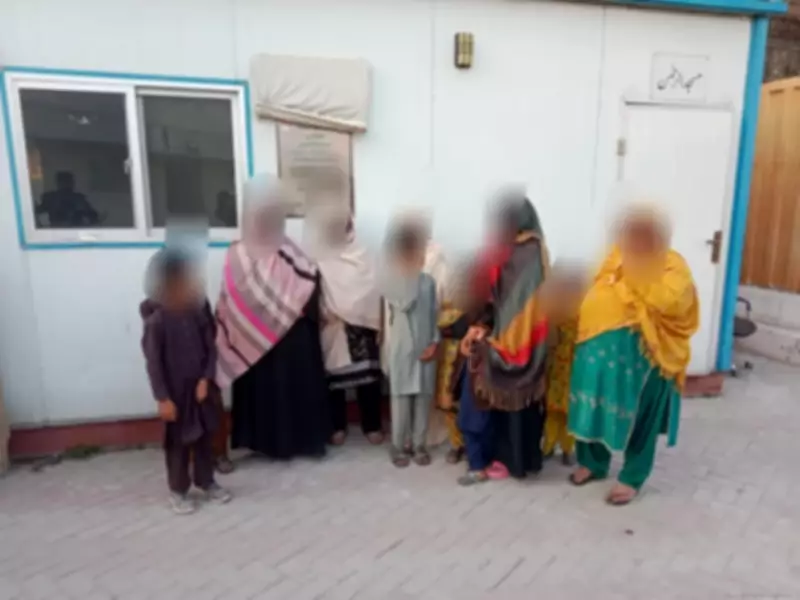
Islamabad Ramazan Anti-Begging Drive: 42 Detained in First 24 Hours
In a significant move to maintain public order and curb illegal activities, Islamabad authorities have launched a comprehensive anti-begging drive during the holy month of Ramazan. This initiative, which began recently, has already resulted in the detention of 42 individuals within the first 24 hours of its implementation. The campaign is part of broader efforts to address issues related to unauthorized begging, which often increases during religious festivals and can disrupt social harmony.
Details of the Anti-Begging Campaign
The anti-begging drive in Islamabad is being conducted by local law enforcement agencies in collaboration with social welfare departments. Authorities have emphasized that the primary goal is to identify and detain individuals involved in organized begging rings, which are often linked to criminal activities such as exploitation and fraud. During the initial phase, teams have been deployed across key areas of the city, including markets, mosques, and public spaces, where begging is most prevalent.
Key actions taken include:

- Increased surveillance and patrols in high-traffic zones to monitor suspicious activities.
- Detention of 42 individuals for further investigation and potential legal action.
- Coordination with social services to provide support and rehabilitation for genuine cases of poverty.
Officials have stated that this drive aims not only to enforce the law but also to ensure that charitable donations during Ramazan reach those in genuine need, rather than being misused by fraudulent beggars.
Impact on Public Order and Community Response
The launch of the anti-begging drive has garnered mixed reactions from the public. While many residents support the initiative as a necessary step to reduce nuisance and crime, some have raised concerns about the treatment of detained individuals, particularly those who may be vulnerable or in dire economic straits. Authorities have assured that all cases will be handled with sensitivity, with a focus on distinguishing between professional beggars and those requiring social assistance.
Community leaders and religious scholars have also been involved in raising awareness about the importance of donating through official channels and verified organizations during Ramazan. This collaborative approach is intended to foster a safer and more organized environment for charitable activities, aligning with the spirit of the holy month.
Future Plans and Broader Implications
Looking ahead, Islamabad authorities plan to continue the anti-begging drive throughout Ramazan and possibly extend it beyond the holy month if deemed necessary. Measures under consideration include stricter penalties for repeat offenders, enhanced public awareness campaigns, and improved coordination with non-governmental organizations to address the root causes of begging, such as poverty and lack of employment opportunities.
This initiative is part of a larger trend in urban centers across Pakistan, where similar drives have been implemented to tackle issues of public safety and social welfare. By taking proactive steps, Islamabad aims to set a precedent for other cities in managing such challenges effectively, especially during peak periods like religious festivals.