Red Zone Sealed Ahead of Protest March Towards D-Chowk, Friday Prayers
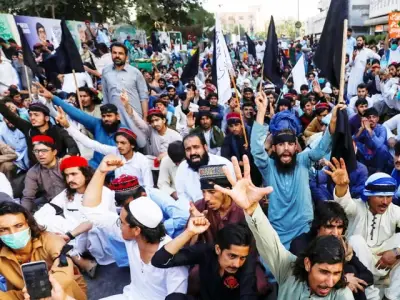
In a significant security development, authorities in Islamabad have sealed the Red Zone in anticipation of a major protest march scheduled to converge towards D-Chowk. This preemptive measure, implemented ahead of the planned demonstration, has led to heightened security protocols affecting public access and Friday prayers in the area. The move underscores the government's proactive stance in maintaining law and order amidst potential unrest.
Heightened Security Measures and Public Impact
The sealing of the Red Zone involves the deployment of additional police and paramilitary forces, with barricades and checkpoints established at key entry points. Residents and commuters are facing significant disruptions, as access to government buildings, diplomatic enclaves, and other sensitive locations within the zone has been restricted. Authorities have issued advisories urging the public to avoid the area and seek alternative routes for travel.
Notably, the security measures are impacting Friday prayers, with many mosques in and around the Red Zone experiencing limited attendance or temporary closures. This has prompted local religious leaders to call for calm and cooperation, emphasizing the importance of safety during the ongoing situation. The timing of the protest march, coinciding with the weekly congregational prayers, has added a layer of complexity to the security arrangements.

Background and Implications of the Protest March
The protest march, organized by various political and social groups, is aimed at voicing grievances over recent government policies and economic conditions. Organizers have planned a peaceful demonstration, but authorities are taking no chances, citing intelligence reports of potential disturbances. The sealing of the Red Zone is part of a broader strategy to prevent any escalation and ensure the safety of both protesters and the general public.
This incident highlights the ongoing tensions in Pakistan's political landscape, with frequent protests and marches becoming a common feature. The government's response, including the sealing of sensitive areas, reflects a balancing act between upholding democratic rights to protest and ensuring national security. Analysts suggest that such measures could have implications for civil liberties and public trust if perceived as overly restrictive.
As the situation unfolds, authorities are monitoring developments closely and have assured that normalcy will be restored once the protest concludes. The public is advised to stay informed through official channels and adhere to security guidelines to avoid any inconvenience.