Railway Stations Emerge as a Refuge for Distressed Children in Pakistan
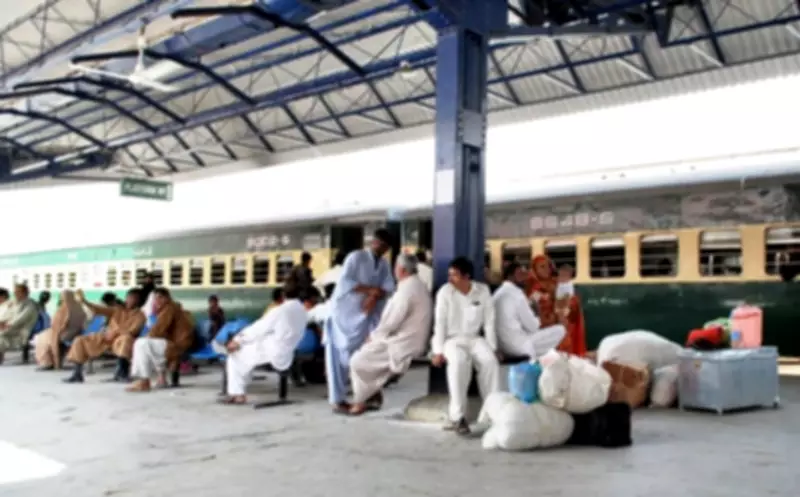
In a concerning trend across Pakistan, railway stations have increasingly become a refuge for distressed children, offering a temporary haven for those facing hardship and abandonment. This phenomenon sheds light on the broader social challenges affecting vulnerable youth in the country.
Growing Numbers of Children Seeking Shelter
Reports indicate that a significant number of children are turning to railway stations as places of safety and shelter. These children often come from difficult backgrounds, including poverty, family conflicts, or abuse, and find themselves with nowhere else to go. The stations provide a semblance of security, albeit temporary, in an otherwise uncertain environment.
Social and Economic Factors at Play
The rise in children seeking refuge at railway stations is linked to various social and economic factors. Poverty and unemployment force many families into dire situations, sometimes leading to children being left to fend for themselves. Additionally, issues such as domestic violence and lack of access to education contribute to this distressing trend.

Challenges Faced by These Children
Children living in railway stations face numerous challenges, including:
- Lack of basic necessities like food, clean water, and healthcare.
- Exposure to harsh weather conditions and unsafe environments.
- Risk of falling victim to crime, trafficking, or substance abuse.
Efforts to Address the Issue
Various non-governmental organizations and government agencies are working to address this issue by providing support services. Initiatives include:
- Setting up shelters and rehabilitation centers near railway stations.
- Offering counseling and educational programs to help reintegrate children into society.
- Conducting awareness campaigns to prevent child abandonment and abuse.
However, more comprehensive efforts are needed to tackle the root causes and ensure long-term solutions for these vulnerable children.