Rapid degradation of the environment due to skewed urban infrastructure planning is turning out to be a major worry for the civic body in Karachi. Rising pollution, failing waste management systems, and a lack of open spaces are some of the issues posing a major challenge for the city.
The Impact of Unplanned Development
The rush to build and the neglect of environmental policies are exacting a serious toll on ecosystems and public health. As climate-related problems mount, they are receiving minimal attention from authorities. The consequences are visible in the form of increased respiratory illnesses, contaminated water sources, and loss of biodiversity.
Waste Management Crisis
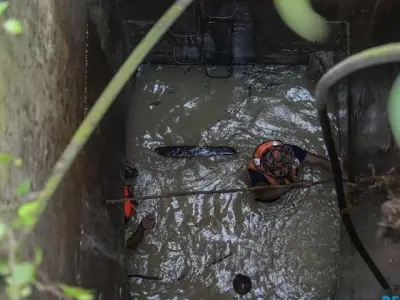
Karachi's waste management system is overwhelmed, with garbage piling up on streets and in vacant lots. This not only creates an eyesore but also attracts disease-carrying pests. The lack of proper disposal facilities means that much of the waste ends up in landfills or is burned, releasing toxic fumes.

Loss of Open Spaces
Parks and recreational areas are being sacrificed for commercial and residential projects. This reduces the city's green cover, exacerbating heat island effects and depriving residents of places for relaxation and exercise.
The Need for Sustainable Development
Governments and corporations alike must focus on sustainable development and proper waste management systems, and raise awareness of environmental issues. The survival of our planet depends on it. There is an urgent need to integrate nature into urban planning, ensuring that development does not come at the expense of the environment.
Is there room for nature in development? This question must be answered affirmatively if Karachi is to secure a livable future for its citizens.