This week, Microsoft announced sweeping cuts to its Xbox division, including 1,600 immediate layoffs, another 1,600 job cuts in the next fiscal year, and the closure or sale of four studios. Xbox CEO Asha Sharma has been candid about the reasons, stating in a memo that the business is “not healthy.” Speaking to Fortune, she added, “we simply spread ourselves too thin.”
Strategic Shift and Potential Sale
Given the scale of the changes and Xbox’s vague strategy of focusing only on big games, the future of the platform is uncertain. As Microsoft invests heavily in AI, a struggling consumer business may no longer fit. This opens the possibility that Microsoft could exit gaming entirely by selling Xbox. According to New York University professor Joost van Dreunen, “A wholesale divestiture of Xbox remains on the table, and it looks likelier given Xbox’s struggles with rising hardware costs and Microsoft’s focus on AI and infrastructure. It’s never been clear what role Xbox plays in Microsoft’s flywheel.” However, van Dreunen notes a full sale is the “less likely path,” as few buyers would want “an entire interactive-entertainment conglomerate running north of $23 billion in annual revenue.”
Xbox's Current Portfolio
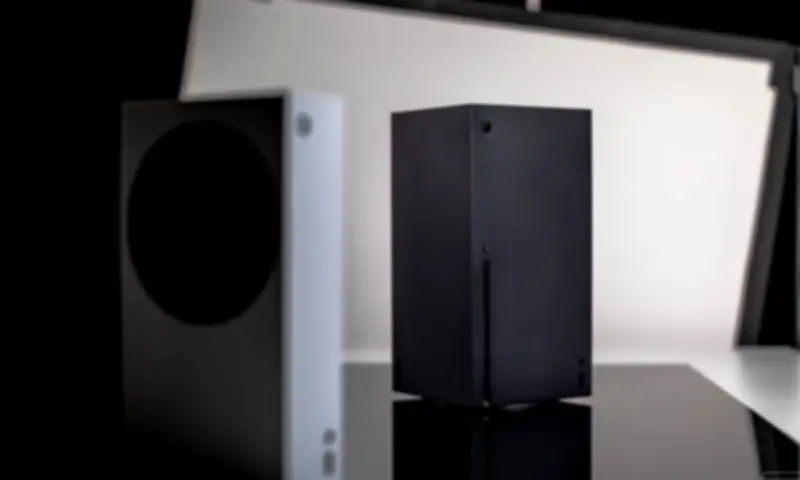
Despite the cuts, Microsoft retains a vast array of assets under Xbox. It operates a hardware business selling Xbox Series X/S consoles and has teased a next-generation console, codenamed Project Helix. Its studio roster includes Halo Studios, Bethesda Game Studios, Mojang Studios (Minecraft), Call of Duty studios (Infinity Ward, Treyarch), The Coalition (Gears of War), Playground Games (Forza Horizon, Fable), Blizzard Entertainment (Overwatch, Warcraft), King (Candy Crush), and Rare (Sea of Thieves).

Few Potential Buyers
Yoshio Osaki, president and CEO of IDG Intelligence, told The Verge, “I think all options are on the table, considering the drastic measures already put in place to try and restructure the business at both a cyclical and structural level.” He noted that while companies like Tencent might have explored a wholesale purchase in earlier years, Tencent is now stepping back from game investments, reportedly seeking exits in Japan. Other groups like NetEase and Savvy Games Group have also pulled back. Large tech companies like Meta are divesting from games, and Amazon focuses on Luna cloud gaming and tie-ins with properties like James Bond and Tomb Raider. Entertainment firms Netflix and Disney have veered away from major gaming M&A. Netflix has let go of indie titles and a AAA studio, favoring TV games controlled via smartphone. While Candy Crush or Minecraft might fit Netflix, blockbuster franchises like Halo or The Elder Scrolls seem unlikely to translate to a TV party game.
Prohibitive Cost
Microsoft’s asking price for Xbox is unknown, but recent gaming megadeals suggest it would be prohibitively high. EA’s take-private deal valued the company at $55 billion, and Microsoft acquired Activision Blizzard for $68.7 billion. The entirety of Xbox, including franchises, studios, and hardware, would cost significantly more. Van Dreunen believes the more likely scenario is that big players might go after “specific pieces” of the business. Osaki similarly notes that “individual studios, IPs, and teams are sold or spun off piecemeal.” Microsoft has already allowed Compulsion Games and Double Fine Productions to go indie, while Ninja Theory and Undead Labs were sold to unspecified buyers.
Future Outlook
Sharma has been in her role less than six months, so the full impact of her decisions may take time. Remaining studios are focused on household names like Halo, Call of Duty, Warcraft, Minecraft, and Candy Crush, signaling a focus on big properties. Sharma is elevating Mojang and King to report directly to her, calling them “platforms” and “our largest by monthly active players.” She believes Microsoft underinvested in Minecraft and has appointed Helen Chiang, former corporate VP of Minecraft, as Xbox’s first COO. Opinions on when Xbox’s future will become clear vary: Osaki thinks by “year end,” while van Dreunen says within 24 months. Van Dreunen notes, “As Microsoft looks to free up cash for its AI build-out, scaling Xbox back, or selling off parts of it, starts to look worth it.”