The Digital Gutter: How Media Addiction and AI Empathy Warp Our Reality
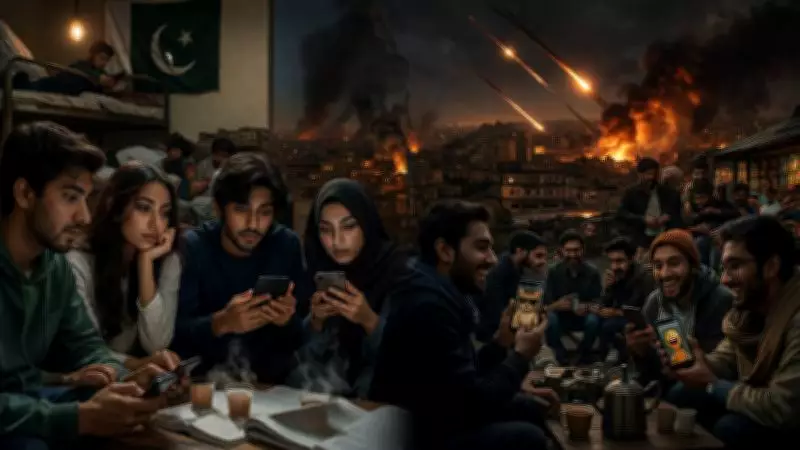
For traditional theatre, three essential elements define the experience: actors who speak and perform, a conflict that must be resolved, and an audience emotionally invested in the story. In today's digital age, however, the lines between performance and reality have blurred dramatically. The relentless momentum of reality-TV culture and the frenzied pace of social media have cultivated a global audience—eyes glued to screens smaller than their faces, with a fidelity to ideals that often exceeds their patience.
The Erosion of Empathy in a Screen-Dominated World
Have we reached a critical juncture where selecting an egg for breakfast feels indistinguishable from deciding which faction should face more bombings when we unlock our phones each morning? Or is our media addiction systematically draining the catharsis we once derived from distant catastrophes? Geoffrey Hinton, often hailed as the father of artificial intelligence, posed a startling request in a recent interview: we must make AI maternal to prevent it from failing humanity.
This demand—that we imbue machines with the maternal instinct we appear to have lost—emerges at a time when smartphone dependency has corroded basic social instincts crucial for survival. We are urged to extend empathy to the very agents that have siphoned our own, offering motherly affection to machines without first addressing the cruelty they have helped propagate.

The Macabre Role-Play of 24/7 Virtual Presence
Round-the-clock virtual engagement, fueled by live-streamed conflicts, has transformed into a macabre role-play accessible to all. Research indicates that it takes as little as one week to shift individuals' opinions toward opposing viewpoints by manipulating algorithms and limiting exposure to antagonistic content. The 24/7 reality-show theatrics of political administrations and their adversaries' belligerence unfold for doomscrolling audiences worldwide.
Users switch between platforms to access alternative facts that reinforce their beliefs, validate their arguments, and disseminate them to like-minded individuals through automated agents. No physical barriers like the Strait of Hormuz are necessary to block the steady flow of insults, misogyny, and delusional war promises—all directed along paths predetermined by influential figures with extraterrestrial ambitions.
The Performance of Power and the Illusion of Control
The President of the United States, surrounded by right-wing allies, performs relentlessly for this captivated audience. One day, America is proclaimed victorious beyond measure; the next, it evokes medieval crusades with thousands dispatched. Yet, those of us who curate grief and outrage into shareable content are not gazing at the stars. We are lying in the gutter, convinced that the screen above us is the sky.
World events unfolding at our fingertips grant us a false sense of control over our narratives. The face behind the tiny screens accumulates more losses than wins but persistently returns to roll one final die. Clearly, someone is benefiting from this dynamic. Imagine smartphone Lilliputians restraining the Mountain Man of human agency.
The Depletion of Deep Engagement and the Rise of Content Currency
Social-media chatbots and short-video formats have depleted our capacity to engage with ideas beyond their screen lifespan. We crave more information, delivered faster, and we demand it immediately. Markets and algorithms repackage our instinctive reactions to human suffering into a form of content currency, offering a sanitized version of war tailored to our preferences.
While theatre audiences willingly suspend disbelief, smartphone zealots crusade for 'their people' suffering at the hands of 'others'. Anyone not expressing overt anger is labeled a passive bystander, a Zionist, or a co-conspirator. Thumbs continue to scroll even when minds have disengaged.

The Fragmented Reality and the Search for Meaning
Each thirty-second news summary, each AI-generated video, and each vitriolic exchange between public figures reinforces the notion that offline reality is too chaotic. The 'real' world, constructed from digital fragments, promises a cleaner, superior image. War's cinematic acoustics on eleven-inch screens provide an immersive escape, eroding trust in cultural expressions of defiance and constructive actions aimed at tangible change.
Those in power advocate for empathy toward machines at a time when we struggle to extend it beyond our filter bubbles. Research for this analysis involved extensive scrolling, AI-generated content reviews, and social media evaluations. As Oscar Wilde's character lamented, "We are all in the gutter, but some of us are looking at the stars." Reflecting on good and evil has become a non-starter for many.
Human potential for inflicting misery is on full display, yet our faith in what lies beyond the gutter hinges entirely on where we choose to direct our gaze. For those immersed in war narratives from their homes, the divide between online and offline is not metaphorical—they cannot doomscroll their own destruction. Understanding this generational and contextual shift is crucial as we navigate a landscape where media addiction and AI empathy reshape our perception of reality.