Meta's Smart Glasses Ambitions Hampered by Privacy Reputation
Whenever discussions turn to Meta's collaboration with Ray-Ban on smart glasses, a predictable pattern emerges. The hardware receives praise for its innovation and discreet design, but the Meta brand connection triggers immediate privacy concerns among consumers. This sentiment appears unlikely to shift following revelations that Meta considered launching facial recognition software during politically charged periods when privacy advocates might be distracted.
The Surveillance Dilemma of Discreet Design
Smart glasses advocates often counter privacy fears by pointing out that smartphones already contain cameras, governments employ facial recognition technology, and CCTV surveillance is widespread. Recent cases like the Guthrie investigation, where law enforcement accessed "lost" Nest Doorbell footage, demonstrate how pervasive recording has become in modern society.
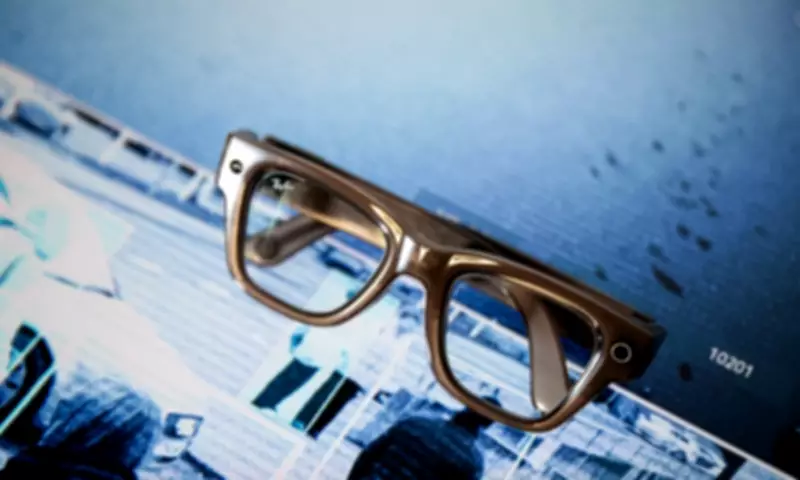
The fundamental concern with Meta's smart glasses lies in their design philosophy. The cameras are minuscule, privacy indicator lights are subtle, and the overall appearance mimics ordinary eyewear. This discretion represents both the product's greatest strength and its most troubling aspect. While making the technology socially acceptable, it simultaneously creates ideal surveillance tools that blend seamlessly into everyday environments.

Technical Vulnerabilities and Historical Baggage
Journalists who have tested the Ray-Ban Meta glasses report that the privacy indicator lights provide minimal deterrence. In crowded public spaces, wearers typically go unnoticed. More concerningly, technical vulnerabilities have emerged, including reports that a $60 modification can disable the privacy light entirely. Some users have experienced spontaneous failures of these indicator lights while recording functionality remained intact.
These technical concerns amplify when viewed through the lens of Meta's corporate history. The Cambridge Analytica scandal, CEO Mark Zuckerberg's controversial political engagements, and recent privacy policy adjustments to facilitate AI training all contribute to consumer apprehension. Zuckerberg's past comments about early Facebook users and suggestions that those opting out of smart glasses face "severe cognitive disadvantage" further erode trust.
The Accessibility Paradox
Facial recognition technology in smart glasses presents a complex ethical landscape. While potentially beneficial for visually impaired individuals navigating unfamiliar environments or helping those with memory challenges in social situations, the technology becomes problematic when deployed indiscriminately. Some accessibility advocates have expressed frustration that Meta appears to position facial recognition primarily as an accessibility feature while downplaying broader surveillance implications.
The company's handling of other accessibility initiatives, such as the abrupt discontinuation of the Supernatural VR game that served veterans and people with limited mobility, has further damaged credibility within disability communities.
Cultural Resistance and the "Glasshole" Problem
Smart glasses manufacturers continue grappling with the social acceptance challenges that doomed Google Glass. When powerful recording technology reaches individuals who misuse it, corporate disclaimers about responsible use provide little comfort. Already, reports have surfaced of "manfluencers" recording women without consent using Meta's glasses.
In response to such incidents, Meta has typically referenced terms of service and LED indicators rather than taking stronger preventative measures. This passive approach contrasts sharply with public sentiment, where some individuals have expressed willingness to physically confront wearers they perceive as invading privacy. A New York City woman gained attention for snatching and breaking a pair of Ray-Ban Meta glasses from an influencer.

The Fragile Future of Smart Glasses
The current resurgence of smart glasses remains precarious. Meta's problematic privacy history represents perhaps the most significant obstacle to mainstream adoption. While some consumers willingly exchange privacy for convenience, broader perception matters enormously. Other companies like Oura and Ring have faced similar challenges and been forced to revise policies following consumer backlash.
Multiple factors contributed to Google Glass's failure: conspicuous design, high cost, and user behavior that earned wearers the "glasshole" label. However, public rejection of perceived surveillance played a crucial role, with documented incidents of people removing glasses from strangers' faces.
Meta has undoubtedly advanced smart glasses technology and achieved what eluded Google: creating wearable tech that looks like ordinary eyewear. Yet the company cannot escape its reputation, particularly as competitors prepare to enter the market. The specter of "glassholes" persists, and without significant improvements in privacy protections and transparent policies, smart glasses risk returning to science fiction rather than becoming everyday reality.