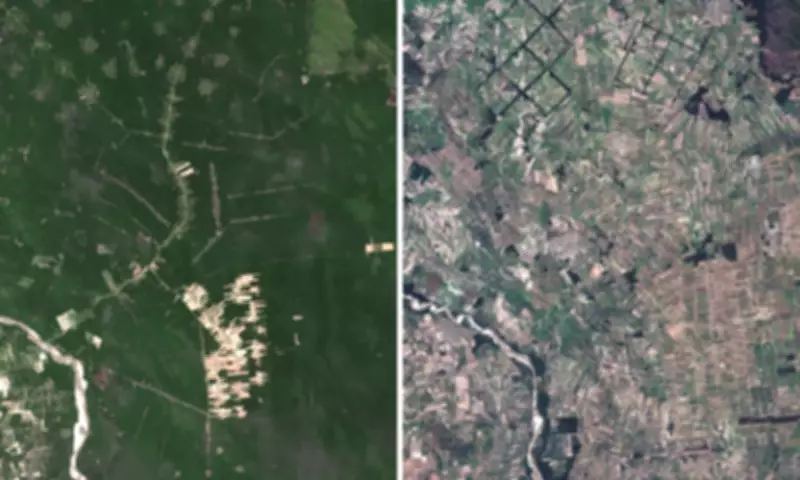
In a troubling development for global conservation efforts, a religious sect has been systematically cutting down tropical forests that are critically important for biodiversity and climate regulation. The forests, known for their rich ecosystems and role in carbon sequestration, are being cleared at an alarming rate, sparking outrage among environmentalists and local communities.
The Scale of Deforestation
Reports indicate that the sect has been felling trees across vast areas, with satellite imagery showing significant loss of forest cover. These tropical forests are home to countless species of flora and fauna, many of which are endemic and endangered. The destruction not only threatens wildlife but also disrupts the livelihoods of indigenous peoples who depend on the forest for their survival.
Religious Justifications
The sect claims that their actions are motivated by religious beliefs, arguing that they are clearing land for settlements and agricultural purposes. However, critics say that such justifications do not hold up against the overwhelming scientific evidence of the forests' importance. Environmental groups have called for immediate intervention to halt the deforestation and hold the sect accountable.

Environmental Consequences
The loss of tropical forests has far-reaching consequences. They act as the lungs of the planet, absorbing carbon dioxide and producing oxygen. Their destruction accelerates climate change, reduces rainfall patterns, and leads to soil erosion. Additionally, many medicinal plants found in these forests could be lost before they are even studied.
Call for Action
Conservation organizations are urging governments to step in and enforce laws protecting these vital ecosystems. They emphasize the need for dialogue with the sect to find a peaceful resolution, but also stress that the destruction must stop immediately. Public awareness campaigns are being launched to highlight the crisis and mobilize support for forest preservation.
The situation remains critical, with every day of delay leading to more irreversible damage. It is a stark reminder of the ongoing battle between development and conservation, and the urgent need to protect our planet's natural heritage.