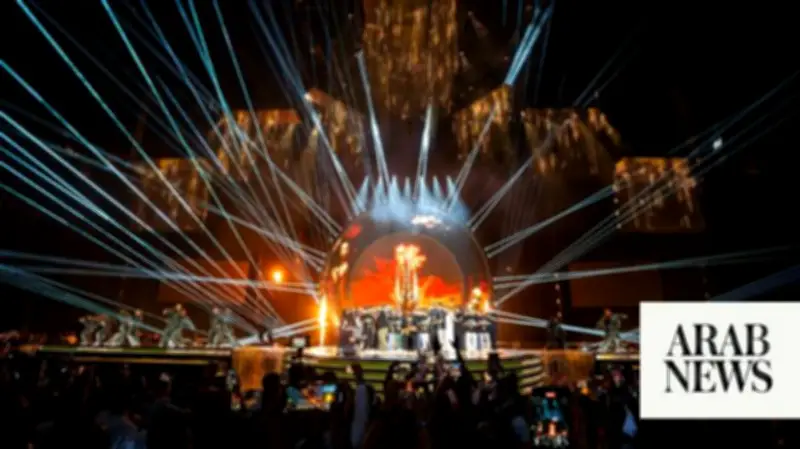
The recent decision to relocate the Esports World Cup (EWC) from Riyadh to Paris, following two successful editions in Saudi Arabia's capital, has ignited discussions across the esports industry. Many are questioning what this move signifies for the competition's future.
Context of the Move
The shift occurs amid a year of disruptions for several major sporting events in the region. The 2026 Saudi Arabian Grand Prix was canceled earlier this year, while AFC Champions League Elite matches faced delays before ultimately returning to Jeddah. The EWC soon followed suit, announcing Paris as the host city for its third event.
Official Perspective
However, Esports World Cup Foundation Chief Product Officer Faisal bin Homran believes the decision ultimately strengthens Riyadh’s position as the birthplace of the tournament. He emphasizes that the competition, launched in the Kingdom, has evolved into a global property capable of attracting interest from major esports destinations.

“Riyadh will always be home,” he told Arab News. “The EWC has reached a level of maturity, credibility and legitimacy in its homeland that cities and countries are now actively seeking to host it.”
“The opportunity presented itself in Paris,” he added. “And if you ask me, I think it is a good time to test the IP outside of Saudi Arabia.”
Before making such a move, he stressed the importance of ensuring that the tournament’s core stakeholders remain at the center of every decision. “If the opportunity is good for the clubs, the players, the community and publishers, we will accept the opportunity and take it further,” he said.
Future Expansion Plans
Taking it further may eventually mean expanding beyond Europe. “At some point, we expect to have conversations with other cities and regions because the appetite for the EWC around the world continues to grow,” he said.
Measuring Success in Paris
While the move to Paris presents opportunities to reach new audiences and further expand the tournament’s footprint, the benchmarks for success will naturally differ from those established in Riyadh over the past two years.
“From a quantitative perspective, viewership and attendance are key,” he said. “Beyond this, success in Paris will be measured by the tournament’s ability to take over the city. We want people across Paris to feel that the EWC is everywhere.”
Should that vision succeed, it would strengthen the case for future events in other major esports markets. Cities such as Rio de Janeiro, Seoul and Los Angeles are often regarded as global esports hubs, and Paris could provide a blueprint for how the tournament expands internationally while maintaining its roots.
Riyadh's Legacy
Arab News asked what Riyadh’s legacy would be if the EWC continues to expand to other cities in the years ahead.
“I think the lasting physical impact of it would be the presence of a totem,” he said. “But the sentimental impact is where I see this going further.
“We are not only here because of Saudi Arabia. We are here for the industry and its sustainability. We believe in the industry. We want to invest in the industry.
“The easiest outcome was to cancel the third edition of the EWC, but it is important that we keep the tournament going to build a sustainable future for the industry.
“I hope that in 20 years, people will look back on the industry’s growth and recognize Riyadh as the place where much of that progress began.”