The Resurgence of Console Exclusives in the Gaming Industry
The landscape of video game consoles appears to be circling back to a familiar pattern, with industry giants Sony and Microsoft signaling a strategic pivot away from multiplatform releases. After several years of experimentation with offering major titles on PC and mobile devices, both companies are now refocusing on console-exclusive games as a primary method to attract and retain dedicated player bases.
Sony's Strategic Reversal on PC Releases
According to a Bloomberg report, Sony Interactive Entertainment is significantly scaling back its plans to release big PlayStation 5 games on PC platforms. This represents a notable departure from the company's previously stated strategy in 2022, when former CEO Jim Ryan emphasized that expanding to PC and mobile was crucial for reaching broader gaming markets. "By expanding to PC and mobile, we have the opportunity to move from being present in a very narrow segment to being present pretty much everywhere," Ryan stated at the time.
The original rationale behind Sony's multiplatform approach was straightforward: by offering acclaimed franchises like God of War and The Last of Us on ubiquitous platforms like PC, the company hoped to introduce these games to new audiences who might subsequently invest in PlayStation hardware. However, this strategy failed to deliver the expected results. PC ports of PlayStation exclusives didn't achieve remarkable sales figures, and internal concerns emerged about potential brand dilution of the PlayStation identity.

Microsoft's Evolving Xbox Strategy
Microsoft's approach to multiplatform gaming has been more aggressive than Sony's, with the company releasing numerous formerly Xbox-exclusive titles on PlayStation and Nintendo Switch consoles. Games like Forza have even topped sales charts on rival platforms, while Microsoft-owned Bethesda titles featured prominently in recent Nintendo Direct presentations. Microsoft CEO Satya Nadella previously expressed a desire to eliminate console exclusives altogether, blaming Sony for perpetuating the practice.
Nevertheless, signs suggest Microsoft might be reconsidering its strategy. Following a significant leadership reorganization, new Microsoft Gaming CEO Asha Sharma emphasized focusing on "our core Xbox fans and players" while acknowledging that "gaming now lives across devices." Sharma's response to a fan inquiry about exclusive games—a simple "Hear you"—has been interpreted by industry observers as potential acknowledgment of renewed commitment to Xbox console exclusivity.
The Nintendo Precedent and Alternative Approaches
Nintendo provides perhaps the clearest case study in exclusive-focused strategy. The company has consistently avoided releasing its major franchises on competing consoles, instead maintaining Mario, Zelda, and other iconic characters exclusively on Nintendo hardware. Even Nintendo's brief foray into mobile gaming with Super Mario Run failed to meet expectations, prompting a strategic retreat back to platform exclusivity.
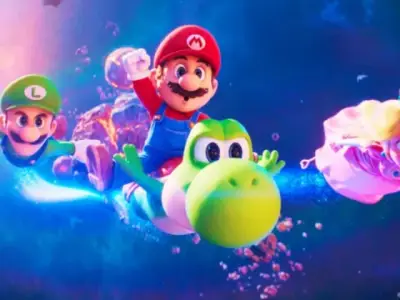
Rather than distributing games across multiple platforms, Nintendo has successfully expanded its intellectual property through alternative media formats. The company's blockbuster Super Mario Bros. movie and theme park attractions have introduced its characters to new audiences without compromising console sales. This approach has effectively built an entertainment empire centered around Nintendo hardware while avoiding the brand dilution concerns that troubled Sony.
Why Exclusives Matter in Today's Gaming Market
The renewed emphasis on console exclusives comes at a critical juncture for the gaming industry. With rising hardware prices and increased competition from cloud gaming services and mobile platforms, dedicated game consoles face greater challenges in attracting new buyers. Exclusive games serve as powerful system sellers, providing compelling reasons for consumers to invest in specific hardware ecosystems.

Both Sony and Microsoft have witnessed the promotional power of alternative media adaptations, with HBO's The Last of Us series and Amazon's Fallout show successfully introducing these franchises to broader audiences. These adaptations accomplish the audience expansion goals originally intended for multiplatform game releases while avoiding the potential cannibalization of console sales.
The strategic shift toward exclusivity represents a significant recalibration for the gaming industry's largest players. As console manufacturers navigate increasingly competitive markets, the ability to offer unique gaming experiences unavailable elsewhere may prove crucial to maintaining hardware relevance and driving platform adoption among dedicated gaming communities.