Motorola Razr Ultra 2026 Rumored to Be Slightly Thicker Than Previous Version
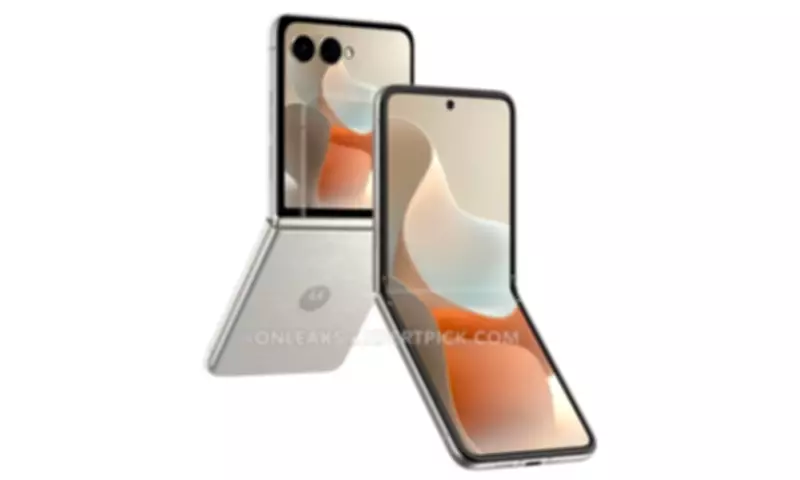
Motorola is reportedly developing the Razr Ultra 2026, a new iteration of its popular foldable smartphone series, which might feature a subtle increase in thickness compared to the previous year's model. This potential design change could signal a strategic shift aimed at improving the device's overall performance and user experience.
Potential Reasons for the Thickness Adjustment
Industry insiders suggest that the slight thickness increase in the Motorola Razr Ultra 2026 could be driven by several key factors. Enhanced durability is a primary consideration, as a marginally thicker chassis might allow for more robust materials and better protection against wear and tear from frequent folding and unfolding. Additionally, this adjustment could accommodate a larger battery, addressing common concerns about battery life in foldable devices and potentially extending usage time between charges.
Another possible reason is the integration of advanced cooling systems or improved hinge mechanisms, which often require additional internal space. Motorola might also be exploring ways to incorporate more sophisticated camera modules or other hardware upgrades that necessitate a slightly bulkier design. While exact specifications remain unconfirmed, these changes could position the Razr Ultra 2026 as a more competitive option in the crowded foldable smartphone market.

Comparison with Previous Models and Market Implications
If the rumors hold true, the Motorola Razr Ultra 2026 would mark a departure from the trend of increasingly slim designs seen in recent smartphone releases. Last year's version, known for its sleek profile, set a high standard for portability, but users have occasionally reported issues related to battery longevity and structural integrity. By opting for a hair-thicker build, Motorola may be prioritizing functionality and reliability over ultra-thin aesthetics.
This move could resonate well with consumers who value practicality, especially as foldable phones become more mainstream. Competitors like Samsung and Huawei have also experimented with thickness variations in their foldable lines, suggesting that Motorola's approach aligns with broader industry efforts to balance form and function. Early feedback from tech enthusiasts indicates mixed reactions, with some praising the potential for improved features and others expressing concern over added bulk.
What to Expect from the Motorola Razr Ultra 2026
Beyond the thickness adjustment, the Motorola Razr Ultra 2026 is expected to include several other upgrades. Enhanced display technology with higher refresh rates and better outdoor visibility is likely, along with more powerful processors to handle demanding applications and multitasking. Software optimizations for the folding mechanism could also be a focus, ensuring smoother transitions between folded and unfolded states.
Pricing and availability details are still under wraps, but Motorola typically unveils new Razr models in the latter half of the year. As the launch approaches, more concrete information should emerge, allowing for a clearer assessment of how the thickness change impacts the device's overall appeal. For now, the Razr Ultra 2026 represents an intriguing evolution in Motorola's foldable smartphone strategy, potentially setting a new benchmark for durability and performance in this innovative category.