Samsung Galaxy S26 and S26 Plus Launch with Incremental Changes and Higher Costs
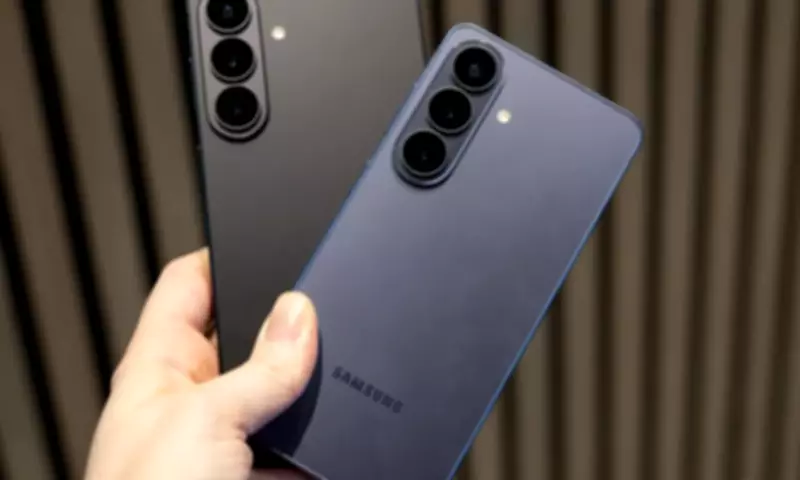
Samsung's annual Unpacked event has introduced the Galaxy S26 series, but the base S26 and S26 Plus models present a familiar story with a twist of increased pricing. While the flagship Ultra variant enjoys exclusive hardware innovations like a new Privacy Display and avoids a price hike, the standard and Plus editions are largely centered around software enhancements and minor technical upgrades that come at a steeper cost than their predecessors.
Software Features Take Center Stage
The Galaxy S26 and S26 Plus boast several notable software improvements, though many may eventually trickle down to older devices. Audio Eraser now extends to third-party applications, allowing users to isolate voices and reduce background noise for clearer audio experiences. Google's Gemini AI integration introduces agentic capabilities, such as autonomously booking rideshares like Uber, marking a step toward more proactive digital assistants.
Additionally, features borrowed from Google Pixel devices include scam detection for incoming calls and contextual information that appears directly within the keyboard interface. These updates, while useful, are primarily software-based and may not justify the premium pricing alone.

Hardware Upgrades: Modest at Best
On the hardware front, changes are minimal. The S26 and S26 Plus in the United States will utilize the Snapdragon 8 Elite Gen 5 for Galaxy chipset, matching the Ultra model. However, in other global markets, only the Ultra variant will feature this Qualcomm processor, potentially creating a performance disparity.
Battery and charging improvements are slight: the S26 Plus supports faster wireless charging at 20W compared to the previous 15W, and the standard S26 sees a battery capacity increase from 4,000mAh to 4,300mAh. While these represent technical progress, they are hardly groundbreaking advancements.
Design and Specifications Remain Largely Unchanged
Physically, the S26 and S26 Plus closely resemble their predecessors, with the standard model featuring a 6.3-inch display that feels compact in an era dominated by larger and folding devices. Both models come equipped with 12GB of RAM, though storage configurations have been adjusted.
The base S26 now starts at 256GB of storage, but even with this inclusion, the price has risen to $899, which is $40 more than the S25's 256GB option. The S26 Plus continues with 256GB in its base configuration but now costs $1,099, up from $999 for the S25 Plus. This price increase highlights how component costs, such as RAM, are beginning to impact smartphone pricing more directly.
Market Implications and Consumer Considerations
The launch underscores a trend where manufacturers are segmenting features more aggressively across product lines. The Galaxy S26 Ultra's exclusive Privacy Display and stable pricing make it a more compelling upgrade for enthusiasts, while the S26 and S26 Plus cater to users seeking reliable performance with incremental improvements.
For consumers, the decision may hinge on whether the software enhancements and minor hardware tweaks justify the additional expense, especially when previous-generation models might receive similar updates over time. As smartphone innovation plateaus in some areas, value propositions are becoming increasingly critical in purchasing decisions.