Hisense U7SG: A Bright Contender in the Midrange TV Arena
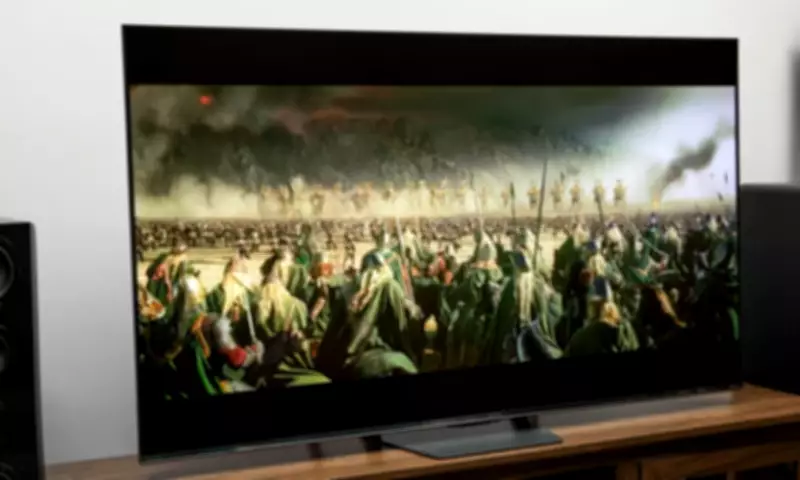
Amidst the industry's intense focus on RGB LED advancements, more budget-friendly mini-LED televisions appeared to have taken a backseat. However, the Hisense U7SG has arrived, positioning itself as the first noteworthy midrange general-purpose TV of 2026. This model boasts exceptional brightness, is available in numerous sizes, supports all essential HDR formats, offers robust gaming capabilities, and operates on the highly regarded Google TV platform—widely considered superior to the operating systems from competitors like LG and Samsung. While it stands out as an excellent living room television, potential buyers are advised to exercise patience before making a purchase.
Positioning and Competitive Landscape
For years, the U7 series has occupied a capable middle ground between the higher-end U8 and more affordable U6 lines. This year, however, the U8 transitions into the RGB LED category as the UR8, elevating the U7SG to Hisense's premier mini-LED offering. This shift places it in direct competition with forthcoming models like the TCL QM7 and QM8, both of which will incorporate advanced super quantum dot technology debuted with the X11L. This impending rivalry is expected to be fierce, making it prudent to observe how the market evolves.
Additionally, Hisense televisions historically experience significant price reductions within months of launch. For instance, the 65-inch U75QG debuted at $1,500 last year, dropped to $1,000 by May, and now retails for approximately $700. If this trend continues, the U7SG could become an exceptional value—but only after a waiting period.

Technical Specifications and Performance
The Hisense U7SG shares many specifications with its predecessor, the U75QG. It achieves a peak brightness of 3,000 nits, features up to 3,000 dimming zones (varying by screen size), includes a native 165Hz refresh panel with AMD FreeSync Premium Pro adaptive sync, and supports Dolby Vision, HDR10+, and IMAX Enhanced formats. The TV is equipped with four HDMI 2.1 ports and a backlit remote. Available in sizes from 55 to 116 inches, with manufacturer's suggested retail prices ranging from $1,300 to $20,000, these figures are anticipated to decline sharply by early summer.
In testing, the 65-inch version, priced at $1,500, demonstrated remarkable performance in bright environments. Measured at nearly 3,000 nits in Filmmaker mode, it provided ample luminance for vivid specular highlights, outperforming last year's TCL QM7K by over 600 nits and surpassing previous OLED models in brightness, making it ideal for well-lit rooms.
Color Accuracy and Display Characteristics
Color reproduction in Filmmaker mode is generally very good, handling vibrant scenes effectively, though subtle issues may arise in yellows, oranges, and browns during more realistic content. The default Warm1 setting tends toward a cooler, bluer color temperature, which, while preferred by many, may concern those seeking absolute accuracy. Notably, the Warm2 setting is unexpectedly cooler than Warm1, a design choice confirmed by Hisense.
Like all mini-LED TVs, the U7SG contends with light blooming, though Hisense has made improvements. While reduced compared to the U75QG, a subtle glow persists around bright objects or subtitles on black backgrounds, particularly noticeable from off angles. For those prioritizing minimal blooming or wide viewing angles, OLED alternatives like the LG C5 or Samsung S90F may be preferable, albeit with lower brightness.
Enhanced Reflection Handling and Gaming Features
A significant upgrade is the U7SG's reflection handling, thanks to a more matte panel that dims direct light sources without spreading reflections or raising black levels—a common issue in earlier matte designs. For gamers, the native 165Hz panel supports 4K gaming with smooth motion and no screen tearing, complemented by a Game Bar overlay for quick adjustments to settings like FreeSync and refresh rate.

Software and Overall Assessment
Running on Google TV, the U7SG offers swift app loading and responsive navigation. While it mirrors its predecessor in brightness, color accuracy, and features, its refined blooming control and anti-reflection screen enhance its suitability for bright environments. Currently, OLED models like the LG C5 and Samsung S90F are slightly cheaper and more accurate, but this price gap may not last given Hisense's tendency to reduce prices post-launch.
Why Waiting Makes Sense
Despite its strengths, there are compelling reasons to delay purchasing the U7SG. The imminent release of competitors like the TCL QM8L and QM7L, along with other RGB LED models, could shift the market dynamics. Moreover, last year's U75QG is available at half the price, making the U7SG's improvements in reflection and blooming control insufficient to justify a premium at launch. Once prices adjust in a few months and the competitive landscape clarifies, the U7SG may emerge as the top value choice for bright-room viewing.