A joint study conducted by Pakistan's Ministry of National Health Services and UNICEF has revealed that 88% of children living around the Hattar Industrial Estate have blood lead levels exceeding internationally recognized safe limits. The findings, based on blood samples from children aged 12 to 36 months in industrial and pollution-affected areas across Pakistan, identified Hattar as the most affected location, with significantly higher lead levels than all other surveyed sites.
Health Impacts of Lead Exposure
Health experts warn that lead is a highly toxic metal causing long-term adverse effects on children's brains, nervous systems, and physical development. Elevated blood lead levels can impair learning abilities, weaken memory, alter behavior, and lead to physical weakness and other complications. According to the World Health Organisation, no level of lead exposure in children is considered completely safe.
Study Scope and Alarming Findings
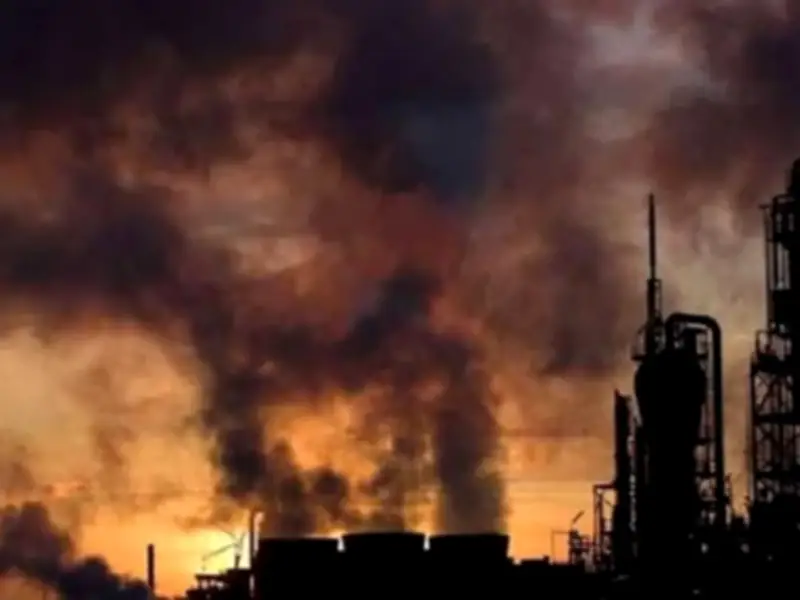
The study found elevated lead levels in nearly 40% of children across seven Pakistani cities and industrial centers. However, the situation in Hattar was described as the most alarming. Experts identified industrial emissions, battery recycling units, factory smoke, contaminated soil, lead-based paints, and certain household products as possible sources of contamination.

Call for Urgent Action
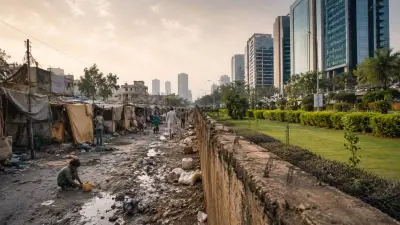
Environmental experts noted that Hattar Industrial Estate is one of the country's major industrial zones, but inadequate monitoring of environmental and health impacts has exposed local communities, particularly children, to serious risks. They warned that without timely intervention, the issue could develop into a major public health crisis. Public health experts urged the government to provide immediate medical screening, blood testing, and treatment facilities for affected children. They also called for regular monitoring of air, soil, and water pollution and strict enforcement of industrial emission regulations.
Community Response and Broader Implications
Local social groups and residents expressed deep concern over the report and demanded public awareness campaigns and urgent practical measures to protect children from toxic metals. Experts stressed that the findings serve as a warning not only for Hattar but also for other industrial regions, emphasizing that human health and environmental protection must receive equal importance alongside industrial development so that future generations do not pay the price of progress with their health.