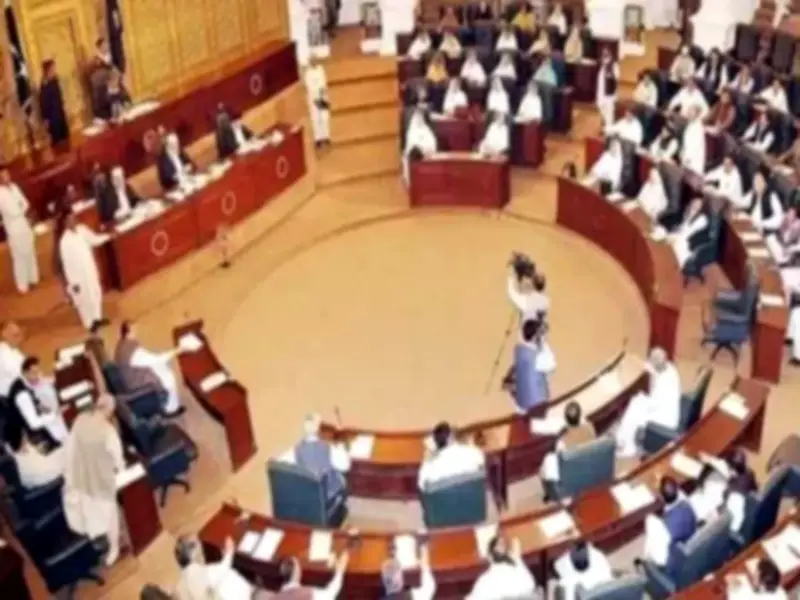
The Khyber-Pakhtunkhwa (K-P) government has announced an ambitious development budget for the new fiscal year, incorporating 1,027 new projects across various departments. The budget emphasizes balanced regional development with significant allocations for both settled districts and erstwhile tribal areas.
Overview of Development Projects
According to budget documents, the province will now host a total of 2,380 development projects, comprising 2,068 in settled districts and 312 in tribal districts. The new fiscal plan includes 926 projects for settled regions and 101 for tribal areas. The provincial government has earmarked Rs282 billion for 2,068 projects in settled districts, with Rs74.90 billion allocated for 926 new schemes and Rs207 billion for 1,142 ongoing development projects. For the tribal districts, Rs34.80 billion has been set aside for 312 development projects, including Rs8.18 billion for new initiatives and Rs26.61 billion for continuing schemes.
Sector-Wise Breakdown
Sector-wise, road infrastructure leads with 187 projects, followed by health (114), education (51), and water supply (53). Other significant allocations include agriculture (18), religious endowments (15), revenue board (11), drinking water (46), energy and power (8), environment (4), excise (5), finance (2), food (5), forestry (27), higher education (35), interior (29), housing (3), human resources (11), industry (30), information (5), labor (3), law (17), livestock (19), local government (16), mines and minerals (8), multi-sector (74), population welfare (3), relief (19), science and technology (6), social welfare (14), sports (33), tourism (24), transport (12), and urban development (19).

Tribal Districts Allocation
In the tribal districts, the 101 new projects include drinking water (3), education (6), energy and power (3), forestry (5), health (13), higher education (5), interior (2), mines and minerals (2), multi-sector (10), roads (29), sports (5), transport (2), and water supply (6). Single projects have been allocated for agriculture, religious endowments, revenue board, excise, finance, industry, labor, law, municipal services, and social welfare departments. Notably, 10 departments received only one project each in tribal districts, while seven departments received no allocation at all for the region.
The comprehensive budget reflects the provincial government's commitment to balanced regional development while addressing critical infrastructure and service delivery needs across K-P.