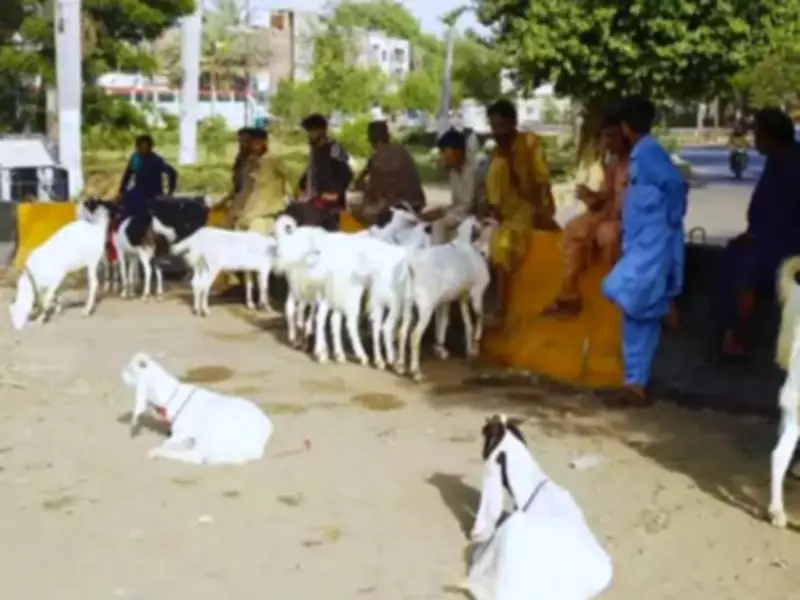
In a significant move to curb illegal activities and streamline the livestock sector, Pakistani authorities have initiated a crackdown on unauthorized cattle markets operating across the country. The operation aims to dismantle these illegal markets, which have been thriving without proper oversight, leading to substantial revenue losses for the government and posing health risks to consumers.
Scope of the Operation
The crackdown, led by provincial governments in coordination with law enforcement agencies, targets markets that have been operating without licenses or adherence to standard regulations. These markets often involve the sale of cattle without proper health checks, vaccination records, or tax compliance. Authorities have identified numerous such markets in major cities and rural areas, particularly in Punjab and Sindh provinces.
Government Statement
Officials have stated that the move is part of a broader effort to formalize the livestock trade, ensure animal welfare, and protect public health. The government aims to bring all cattle trading under a regulated framework, with mandatory registration, health certifications, and tax payments. This will not only boost revenue but also improve the quality of meat and dairy products available to consumers.

Impact on Traders and Consumers
The crackdown has caused concern among small-scale traders who rely on these illegal markets for their livelihood. However, authorities have assured that they will facilitate the transition to legal markets by providing support and guidance. Consumers are expected to benefit from safer and higher-quality livestock products once the regulations are fully implemented.
Challenges Ahead
Enforcing the crackdown poses challenges, including resistance from entrenched interests and the logistical difficulty of monitoring vast rural areas. Nevertheless, the government is committed to seeing the operation through, with strict penalties for those who continue to operate illegally.
The move has been welcomed by livestock associations and public health experts, who see it as a long-overdue step towards modernizing Pakistan's agricultural sector.