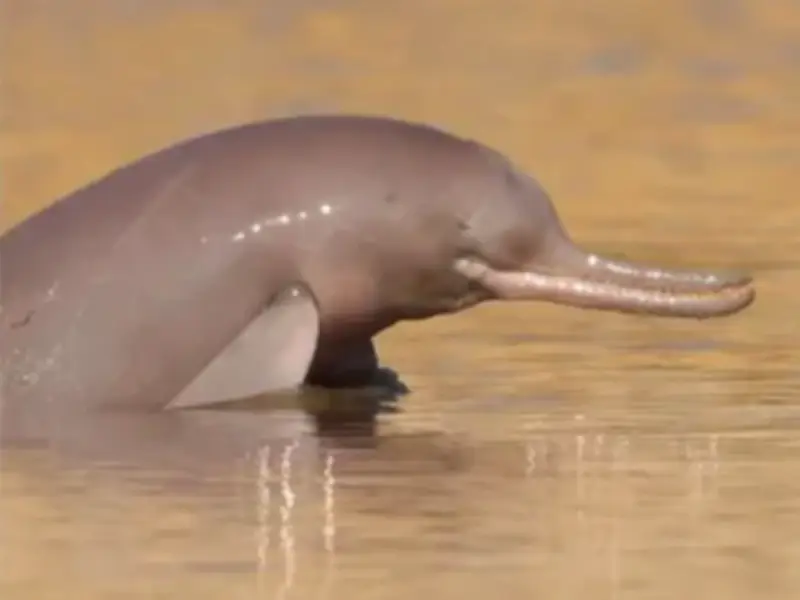
The Punjab government has officially declared a stretch of the Indus River with the highest concentration of the endangered Indus River dolphin as the Punjnad Indus River Dolphin Wildlife Sanctuary, marking a significant step towards the conservation of this rare freshwater species and its habitat. The move has been widely welcomed by conservationists and the World Wide Fund for Nature Pakistan (WWF-Pakistan), which described the notification as a major milestone for dolphin conservation and the protection of the Indus River ecosystem.
Official Notification and Legal Framework
According to an official notification, the river stretch from Jambar-Bait Landi Patafi to Guddu Barrage has been designated as a wildlife sanctuary under the Punjab Protected Areas Act 2020. This initiative aims to protect the natural habitat of the Indus River dolphin and other aquatic and wildlife species while promoting biodiversity conservation in the region.
WWF-Pakistan's Response
WWF-Pakistan welcomed the notification, stating that the declaration would strengthen Pakistan’s network of protected areas and reflect the country’s commitment to biodiversity conservation. The organisation also acknowledged the efforts of Punjab Senior Minister Maryam Aurangzeb in facilitating this significant initiative.

Importance of the Sanctuary
South Punjab Wildlife Ranger Additional Chief Sheikh Muhammad Zahid highlighted that the Punjnad-Guddu stretch of the Indus River is considered the most important habitat for the Indus River dolphin in Punjab, supporting the highest recorded population of the species in the province. He noted that the river section provides suitable conditions for feeding, breeding, and movement of the dolphins, making legal protection of the area a conservation priority.
“The new wildlife sanctuary will not only help safeguard the natural habitat of the Indus River dolphin but will also strengthen the protection of the entire aquatic ecosystem of the Indus River, including native fish species and other aquatic life,” he said.
Conservation Context
According to WWF-Pakistan, the Indus River remains the last major natural habitat of the endangered Indus River dolphin, one of the world’s rarest freshwater dolphin species. Conservation experts estimate that around 2,000 dolphins currently survive in the wild, underscoring the importance of protecting their remaining habitat.
Threats and Future Outlook
Environmental experts point out that changes in river flows, pollution, illegal hunting, and increasing human activities have intensified threats to the dolphin’s habitat. However, they believe the establishment of the new wildlife sanctuary will strengthen ongoing conservation efforts and contribute to the long-term survival of the species. The sanctuary is expected to serve as a model for other conservation initiatives in the region.