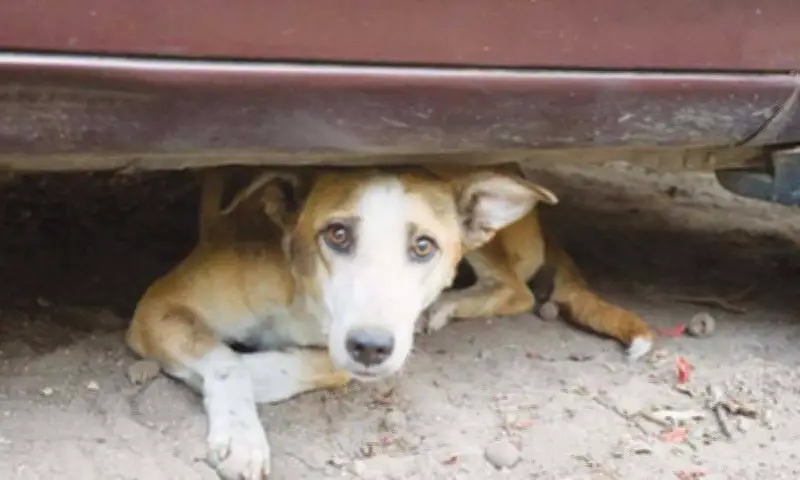
In Pakistan, particularly in urban centers such as Lahore and Islamabad, residents often lack training and experience in coexisting with stray animals. Fear leads them to view these animals as societal villains, despite human behavior frequently posing greater dangers to both people and strays. For generations, dogs, cats, buffalo, horses, and small animals like squirrels have lived alongside humans. Rural inhabitants, however, possess the knowledge to handle stray animals calmly. When a pack of dogs approaches, they do not panic or run, understanding that dogs are triggered by flight. Challenging a dog is futile; a stray dog's hamstrings, core strength, and lung capacity far surpass those of a human, especially one who smokes. Instead of competing, one should adjust behavior, set aside ego, and recognize that these animals serve a societal need. Dogs often guard neighborhoods without training, alerting residents to strangers or suspicious activity. Like a synchronized Qawwali group, they perform in unison until the threat leaves or a neighbor vouches for the visitor. Once satisfied, they cease their concert and rest peacefully.
Government Poisoning Campaign Sparks Outrage
For days, a campaign in Punjab has drawn criticism from animal rights organizations, which question the brutal poisoning of dogs. This policy surprised many, especially after a child was bitten by strays in Lahore's Township area, prompting demands for culling. The situation calls for proper planning, not emotional reactions. Stray dogs are not humans; they cannot organize rebellions or protests. Gathering four dogs does not warrant Section 144 or gunfire. They cannot be handed over to crime control or anti-narcotics agencies. Reports indicate the Punjab government killed hundreds of dogs with poisoned bread. The cruelty is immense: hungry animals, thinking prosperity arrived, unknowingly consume poison.
The Scale of the Dog Bite Problem
From January 2024 to March 2026, over 500,000 people in Punjab suffered dog bites. In the first three months of this year alone, nearly 40,000 were bitten. This alarming issue demanded a solution, but the chosen method—poisoning—stunned experts. Questions arise about disposal of the carcasses. Dogs do not bury or burn their dead, so how does the "Clean Punjab" campaign handle them? The resulting smell and pollution create additional headaches.

Humane Alternatives and Lessons from Abroad
Pakistan, as a third-world country, faces unemployment, limited resources, and a failed local government system. Yet, these issues can be addressed in Parliament. Building proper shelter homes for strays away from urban areas, coupled with a donation system leveraging the culture of Sadqa, offers a practical solution. Shelters would create jobs for managers, caretakers, security guards, and doctors, and include vaccination and sterilization programs to control breeding. Interestingly, while dog overpopulation is a concern, human population growth proceeds unchecked.
The Netherlands nearly eliminated stray dogs through the CNVR program: Collect, Neuter, Vaccinate, and Return—a nationwide, government-funded sterilization system. Germany prohibits euthanizing healthy strays, instead housing them in professional shelters. Pakistan can learn from both. Overhyping issues leads to crisis; basic management, responsibility, and common sense can solve small problems. Emotional reactions must give way to proper planning.