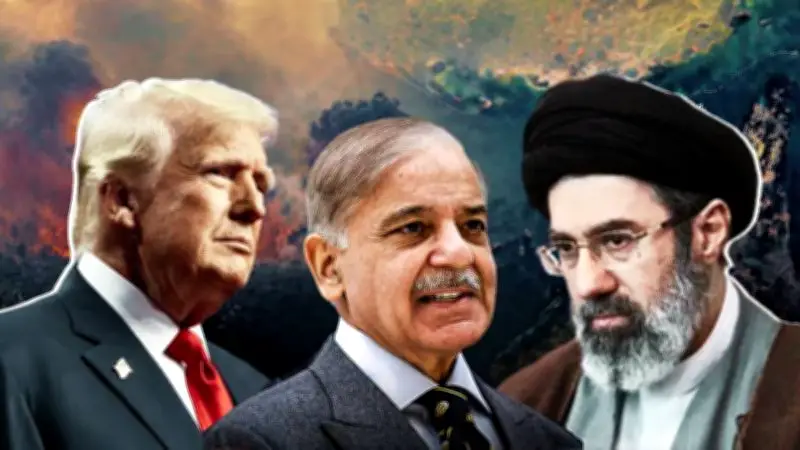
As diplomats prepare for the formal signing of the US-Iran memorandum of understanding, an increasingly familiar debate has emerged over who deserves credit for bringing Washington and Tehran to this point. The answer matters because it also helps explain who is likely to remain important as negotiations move into their most difficult phase. The formal ceremony may take place in Geneva. Technical discussions may move between different capitals. Yet these developments should not obscure the central reality of the past several months: Pakistan accomplished something that many considered impossible. It helped halt the momentum of a dangerous regional war and created a diplomatic channel capable of bringing the United States and Iran into a structured process after decades of hostility.
That achievement has understandably generated a contest over credit. Some accounts portray Pakistan as merely a venue. Others suggest that different actors were responsible for the substantive diplomacy, while Islamabad simply provided a public face. Such arguments misunderstand how diplomacy actually works. Diplomatic breakthroughs are not defined by where documents are signed. They are defined by who creates the political conditions that make agreements possible. In this case, Pakistan's achievement was not hosting meetings. It was building, sustaining, and protecting the diplomatic channel itself.
Coordinated Strategy at Multiple Levels
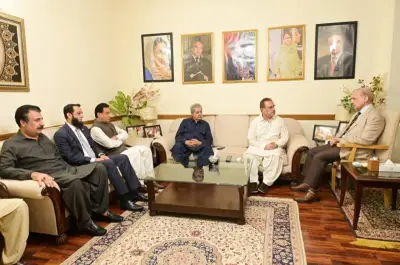
From the outset of the crisis, Pakistan pursued a coordinated strategy at multiple levels. Prime Minister Shehbaz Sharif maintained political engagement with regional and international stakeholders. Deputy Prime Minister and Foreign Minister Ishaq Dar coordinated diplomacy across multiple capitals. Field Marshal Asim Munir engaged the security dimension of the crisis, particularly at moments when military escalation threatened to overwhelm diplomacy. This was supported by sustained work across diplomatic, military, intelligence, and security channels.

The importance of this coordinated approach is often overlooked. The challenge was never simply to persuade Washington and Tehran to talk. The challenge was to prevent repeated events from destroying the possibility of talks altogether. Several times during the conflict, diplomacy appeared close to collapse. Escalation in Lebanon threatened to widen the war. Tensions in the Gulf repeatedly raised fears of a broader regional confrontation. Military exchanges created pressure for retaliation. Hard-line voices on all sides argued that negotiations were futile. Each time, the diplomatic track had to be protected from being overwhelmed by events on the ground.
Navigating Competing Interests
Escalation was not always accidental. Different actors viewed diplomacy and military pressure through very different lenses. While most regional states gradually concluded that the costs of a wider war had become unacceptable, influential voices in Israel continued to favour maintaining pressure on Iran and its regional partners. This divergence repeatedly complicated diplomatic efforts and created opportunities for spoilers to test whether negotiations could survive renewed crises, particularly on the Lebanon front.
Pakistan's role was particularly important because it maintained working relationships with all the major stakeholders. It could communicate with Washington while retaining credibility in Tehran. It maintained close strategic coordination with Saudi Arabia and the Gulf states while preserving dialogue with Iran. It enjoyed productive ties with Türkiye, Egypt, Jordan, China, and other key actors. Few countries possessed this combination of access.

Managing the Iranian Constraint
That access allowed Pakistan to perform a function that no outside power could easily replicate: managing the Iranian constraint. Many analyses focus primarily on American decision-making. Yet one of the most difficult aspects of the crisis was the existence of different centres of influence within Iran itself. Diplomacy often advanced more slowly than expected because those responsible for negotiations had to navigate competing domestic pressures, security concerns, and political calculations. Pakistan understood this reality. Its diplomacy was therefore based not only on encouraging dialogue but also on helping Iranian decision-makers understand the costs of continued escalation. As a neighbour, a Muslim country, and a state with long-standing relations with Iran, Pakistan repeatedly argued that diplomacy served Iran's interests better than an open-ended confrontation.
At critical moments, Pakistan's message combined reassurance with realism. Islamabad consistently supported de-escalation and repeatedly urged restraint whenever events threatened to derail negotiations. At the same time, Pakistan made clear that further expansion of the conflict into the Gulf would create consequences for regional security. This balance of persuasion, credibility, and clearly communicated red lines helped sustain confidence among Gulf partners while preserving channels to Tehran.
Building Regional Consensus
The result became visible over time. The conflict gradually narrowed rather than expanded. The worst fears of a wider regional war involving multiple Gulf states did not materialise. Diplomacy survived repeated crises that many observers believed would end the process. Pakistan also played an important role in encouraging a broader regional diplomatic consensus. Saudi Arabia's policy of strategic patience proved critical. Qatar became an important contributor when financial and sanctions-related issues entered the discussion. The UAE gradually moved towards supporting diplomacy and regional stability rather than escalation. Türkiye and Egypt remained active partners in supporting dialogue. Together, these efforts helped create an environment in which diplomacy could survive despite repeated attempts to derail it.
Winning the Narrative War
Yet Pakistan faced a second challenge beyond the diplomatic battlefield. It also faced a narrative war. Throughout the crisis, commentary emerged from different directions questioning Pakistan's motives, credibility, or relevance. Some critics portrayed diplomacy as a weakness. Others implied that Pakistan's efforts were driven by hidden agendas. Still others attempted to minimise Islamabad's contribution altogether. Such arguments missed a simple point. Pakistan had more reason than most countries to prevent a wider war. Instability in the Gulf directly affects Pakistan's economy, energy security, expatriate community, and broader regional environment. Preventing escalation was not merely an act of diplomacy; it was a core national interest.
More importantly, the effectiveness of mediation should be judged by outcomes. The relevant question is not who receives the most headlines. The relevant question is who helped keep diplomacy alive when the region appeared headed towards a larger conflict. This is why the debate over Geneva misses the point. Switzerland's role should not be viewed as competing with Pakistan's. Geneva hosted diplomatic contacts before the war and remains a natural venue for formal negotiations and international agreements. Venue diplomacy and process diplomacy are not the same thing. One provides neutral ground. The other creates the political conditions that make negotiations possible.
Recognizing All Contributors
President Donald Trump also deserves recognition. At several critical moments, Washington retained the option of further escalation. Yet the administration repeatedly left the door open for negotiations. Military pressure undoubtedly shaped the calculations of all parties, but pressure alone rarely produces durable political outcomes. The eventual framework emerged because diplomacy and pressure operated simultaneously. The reality is that neither side achieved everything it wanted. That is usually a sign that diplomacy is working.
The memorandum of understanding now provides a framework, not a final settlement. Indeed, the most difficult phase may only be beginning. The underlying disputes remain substantial. Questions regarding nuclear enrichment, existing stockpiles, verification arrangements, sanctions relief, frozen assets, maritime security, missile capabilities, regional security structures, and guarantees against future escalation have not disappeared. They have merely moved from the battlefield to the negotiating table.
Pakistan's Continued Relevance
This is precisely why Pakistan's role is unlikely to diminish. A ceasefire requires political decisions. A durable settlement requires technical compromises. Technical compromises require trust, patience, and sustained communication. The same qualities that made Pakistan valuable during the crisis make it valuable during the negotiations that follow. The next phase will also face spoilers. Some actors remain uncomfortable with any arrangement that reduces confrontation. Political incentives in different capitals will continue to favour escalation over compromise. Future crises cannot be ruled out. Managing these pressures will require continued leadership from Washington, continued pragmatism in Tehran, and continued engagement by the regional actors that helped create the current opening.
Yet there is an important difference today. The principal stakeholders now better understand the costs of returning to war. The conflict demonstrated the limits of military solutions and the enormous risks associated with prolonged instability in the Gulf. That creates an opportunity. Pakistan's achievement was never the signing ceremony, the venue, or even the ceasefire itself. Its achievement was preventing a dangerous conflict from becoming a regional catastrophe and creating a diplomatic pathway where none previously existed.
The Real Test Ahead
The real test now lies ahead. If the framework is to evolve into a durable settlement, both Washington and Tehran will have to manage powerful constraints of their own. On the American side, Israel has repeatedly demonstrated its preference for maintaining pressure rather than moving towards accommodation. Throughout the conflict, periods of diplomatic progress were frequently accompanied by developments that risked reigniting escalation, particularly in Lebanon. Even in the final stages leading to the memorandum of understanding, tensions on that front threatened to derail diplomatic momentum. Prime Minister Netanyahu's political future remains closely tied to a confrontational regional posture, which means future attempts to complicate or slow the diplomatic process cannot be ruled out. Managing that constraint will ultimately remain a challenge for Washington and President Trump.
On the Iranian side, the challenge is different but no less significant. Pakistan's contribution throughout the crisis was not simply to carry messages but to help create political space for diplomacy within a system marked by competing centres of influence and differing views on engagement with the United States. Through sustained dialogue, persuasion, and a clear explanation of both the benefits of settlement and the costs of escalation, Islamabad repeatedly helped keep diplomacy alive when it appeared at risk. Those same qualities will become even more important as negotiations move from broad political understandings to difficult issues such as enrichment, verification, sanctions relief, regional security arrangements, and long-term guarantees. If Pakistan helped bring the parties to a framework agreement, its role may prove even more valuable in helping them reach a final settlement.
History rarely remembers where agreements were signed. It remembers who made them possible. If the current framework evolves into a durable settlement, Pakistan's place in that story is already secure.