The Thar Desert, spanning nearly 19,637 square kilometers in southeastern Pakistan, is known for its vast sand dunes, extreme temperatures, and recurrent droughts. For decades, it has been portrayed as a land of hardship, where communities struggle with water scarcity, food insecurity, and climate change impacts. However, beneath this challenging landscape lies a story of resilience. During the monsoon season, Thar transforms into a vibrant ecosystem where organic agriculture flourishes, demonstrating that nature and traditional wisdom can create sustainable livelihoods even in one of the country's harshest environments.
Organic Farming by Necessity
Unlike intensive commercial farming in irrigated regions, agriculture in Thar has remained largely organic by necessity. Limited access to synthetic fertilizers, pesticides, and irrigation has encouraged farmers to rely on traditional practices that preserve soil fertility and biodiversity. As global demand for chemical-free food rises, Thar holds immense potential to become Pakistan's leading hub for organic agriculture. The seasonal rains bring dramatic changes, covering dry sand dunes with green vegetation and providing a precious window for cultivation. Local farmers eagerly prepare their fields, knowing that the success of the entire agricultural season depends on the amount and timing of rainfall. These few months determine household food security and fodder for livestock, the backbone of the desert economy.
Traditional Crops and Livestock Integration
Traditional crops have sustained Thar's people for generations. Millet (bajra) is the principal staple due to its drought tolerance and high nutritional value, rich in fiber, iron, calcium, and essential minerals. Alongside millet, farmers cultivate cluster beans (guar), mung beans (moong), sesame (til), moth beans, and cowpeas. These indigenous crops require little water, improve soil fertility through nitrogen fixation, and perform well under rainfed conditions. Agriculture extends beyond crops: after rains, natural grasses provide nutritious fodder for sheep, goats, cattle, camels, and other livestock. Animal husbandry contributes significantly to household incomes through milk, meat, wool, and livestock products. This integrated farming system is one of the oldest and most sustainable forms in South Asia.

Unique Seasonal Gifts and Indigenous Trees
Nature rewards the desert with unique gifts. Wild edible mushrooms, known locally as jungli khumb, appear after rainfall and are highly valued in local markets, enriching diets and providing seasonal income, especially for women. Medicinal plants have long served as traditional remedies and hold commercial potential. Among Thar's most fascinating products are its distinctive watermelons, called Chhaheen, grown under rainfed conditions in sandy soils. They develop exceptionally sweet flavors and unique flesh colors, demonstrating that quality can thrive without chemical inputs. Indigenous tree species like Khejri (Prosopis cineraria), described as the lifeline of the desert, provide fodder, enrich soil, offer shade, and prevent wind erosion. The Ber (Ziziphus jujuba) tree produces nutritious fruits and supports biodiversity. These native species create micro-ecosystems that improve soil moisture, protect crops, and provide habitats for beneficial organisms.
Innovative Farmers and Technology
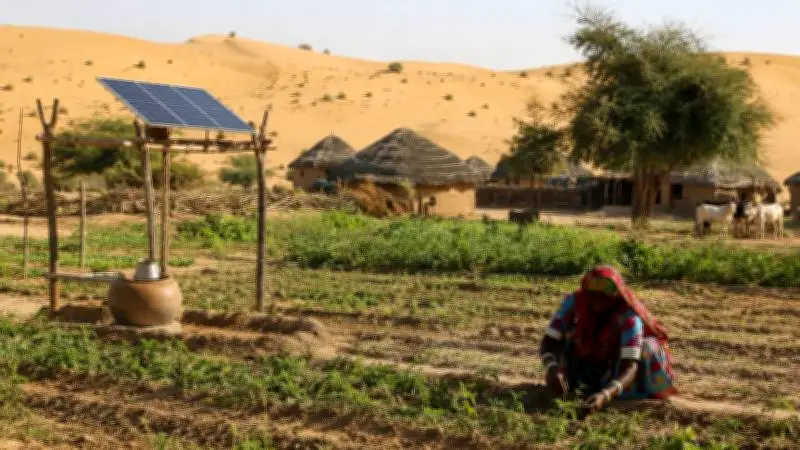
Farmers are increasingly recognizing the economic value of medicinal and aromatic plants like neem, senna, aloe vera, and moringa, diversifying incomes while contributing to biodiversity and climate resilience. Although rainfall remains the primary water source, innovative farmers adopt modern technologies. One example is Atta Muhammad of Village Tardos in District Umerkot. On his eight-acre Azad Agricultural Research Farm, he has integrated traditional farming with scientific innovation. With technical support from the Pakistan Agricultural Research Council (PARC), he has established a date palm orchard and efficient irrigation systems powered by solar energy. His farm uses boreholes, water storage reservoirs, and drip irrigation to maximize every drop of water. Solar-powered pumps reduce production costs and dependence on fossil fuels, demonstrating that renewable energy and water-efficient technologies can revolutionize agriculture in arid regions without damaging ecosystems.

Future Potential and Investment
The future of organic agriculture in Thar depends on investment in research, certification, market access, and value addition. Organic certification could enable access to premium domestic and international markets. Processing facilities for millet flour, sesame oil, guar products, dates, medicinal herbs, and dehydrated vegetables could increase farmers' incomes and create employment for rural youth and women. Government institutions, development organizations, research institutes, and the private sector all have roles to play. Investments in rainwater harvesting, climate-smart agriculture, seed improvement, extension services, farmer training, and rural infrastructure would strengthen resilience against climate change. Supporting women's participation in organic farming and promoting community-based producer organizations can accelerate sustainable rural development. The story of Thar is no longer solely one of drought and deprivation; it is increasingly one of innovation, resilience, and environmental stewardship. Through organic farming, indigenous knowledge, renewable energy, and sustainable water management, local communities are redefining what is possible in one of Pakistan's most challenging landscapes. As climate change intensifies across South Asia, Thar offers valuable lessons for sustainable agriculture worldwide, proving that prosperity can be built on harmony with nature and respect for centuries-old indigenous knowledge.