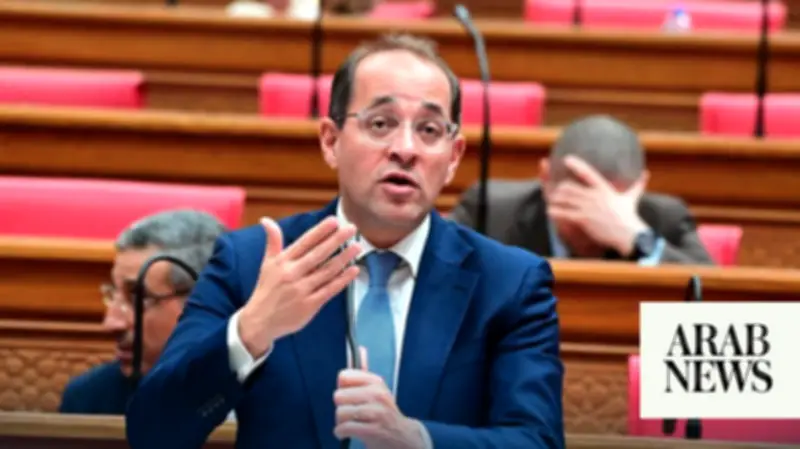
Egypt's House of Representatives has granted final approval to the budget for the 2026/27 fiscal year, along with the Economic and Social Development Plan and the medium-term plan extending through 2029/30. Finance Minister Ahmed Kouchouk announced that the budget targets revenues of approximately 4.1 trillion Egyptian pounds ($82 billion), representing annual growth of 32 percent, while expenditures are projected at 5.2 trillion pounds, up 13 percent from the previous fiscal year, according to an official statement.
Macroeconomic Reforms and Credit Rating
The approval comes as Egypt continues implementing a broad economic reform program aimed at strengthening public finances and restoring macroeconomic stability. In April, S&P Global affirmed the country’s sovereign credit ratings at “B/B” with a stable outlook, citing sustained progress in macroeconomic reforms, stronger external buffers, and an improving medium-term growth outlook despite persistent regional geopolitical risks.
“Thank you to all our partners who enriched the public dialogue and contributed to preparing an ambitious and balanced budget for the benefit of our country, our economy, and our people. We deeply appreciate the important discussions and observations within the House of Representatives, which reflect the concerns, priorities, and aspirations of the citizens,” Kouchouk said.

Fiscal Targets and Debt Reduction
The newly approved budget is aligned with the government’s fiscal targets of achieving a primary surplus of 5 percent of gross domestic product in the new fiscal year while reducing the overall budget deficit to 4.9 percent. It also aims to lower the debt-to-GDP ratio to 78 percent by June 2027, reduce external debt by $1 billion to $2 billion annually, cut financing needs to around 10 percent of GDP over the medium term, and bring debt-servicing costs down to about 35 percent of budget expenditures, according to Kouchouk.
He said the government remains committed to maintaining balanced public finances, building adequate fiscal buffers to manage potential risks, and prioritizing spending on citizens’ essential needs. He added that budget allocations are being directed toward more efficient programs and initiatives to improve the quality and impact of public services.
Human Development and Local Projects
Planning and Economic Development Minister Ahmed Rostom said the new economic and social development plan prioritizes human development, with education spending set to increase by 25 percent and health allocations by 39.5 percent in the new fiscal year. The plan also allocates about 39 billion pounds for local development projects across the country’s governorates, up 13.4 percent from a year earlier, including investments in health, education, and broader development initiatives.