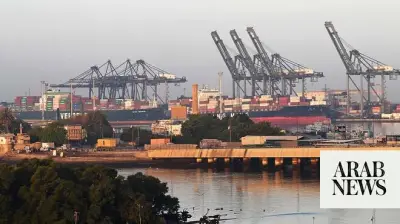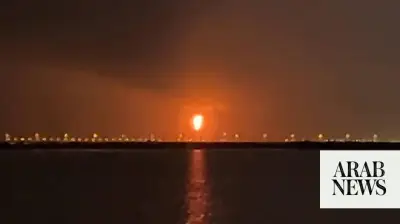
The International Monetary Fund (IMF) said on Thursday that energy and commodity prices have declined following the US-Iran agreement to halt hostilities and reopen the Strait of Hormuz, but cautioned that it will take time for prices and Gulf trade flows to fully normalize.
IMF to Review Growth Scenarios in July Update
IMF spokesperson Julie Kozack announced that in the next update of its World Economic Outlook on July 8, the Fund will decide whether to continue with the three growth scenarios presented in April, which depended on outcomes of the Iran war. The scenarios ranged from a benign reference forecast to an adverse scenario with 2.5% global growth for 2025.
Oil Prices Drop Below Pre-War Levels
Benchmark Brent crude oil futures for August delivery traded around $73 a barrel on Thursday, their lowest level since before the February 28 start of the U.S.-backed war with Iran. In May, when the Strait of Hormuz remained closed, oil prices stayed above $100 per barrel. Kozack had previously warned that the global economy was moving from the reference forecast to an adverse scenario, which assumed a full-year 2026 average oil price of $100 per barrel, along with tighter financial conditions and rising inflation expectations.

Inflation Expectations Well Anchored
Kozack stated on Thursday that inflationary expectations have been well anchored, as some central banks have raised interest rates. Financial conditions have remained accommodative, with both advanced and emerging market countries able to access international financing markets.
Fertilizer and Metal Prices Fall
Kozack noted that prices for urea, other fertilizers, and base metals have fallen with the resumption of shipments from Gulf countries. However, she emphasized that full normalization of prices and trade will take time due to shipping lead times to final destinations. "So this means that there will be some time before we … go back to a normal state, and of course that all assumes that the ceasefire remains in place," she said.
Impact on Developing Countries
The IMF is most concerned about the conflict’s impact on developing countries that are net energy importers with few fiscal reserves or stockpiles of oil and other commodities, especially in Africa. Regarding the war’s effect on India, Kozack said India’s domestic demand remained strong, with real GDP growth projected at 6.5% for the 2026-2027 fiscal year.