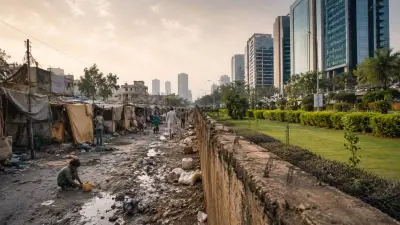
The Sindh Freedom Card, designed to support elderly citizens, faces the risk of becoming another registration exercise unless the government ensures adequate resources and operational mechanisms before further campaigns. In rural Sindh, old age often brings economic insecurity, as most elderly spent their lives in agriculture, livestock, daily wage labor, or informal employment without pensions. Their ability to earn declines while healthcare costs rise, and traditional family support structures are weakening due to changing economic realities.
International Models for Elderly Care
Countries like Japan, Singapore, Sweden, and Denmark offer lessons in treating aging as a governance priority. In Japan, local governments actively monitor senior citizens through community volunteers. Singapore integrates healthcare, transport concessions, and social protection through digital systems. Sweden and Denmark view aging as a social, mobility, housing, and dignity issue, designing services around seniors' needs rather than institutional convenience.
Current Challenges with the Freedom Card
The Social Welfare Department operates within administrative and resource constraints common across public institutions. While collecting accurate data is necessary for planning, registration gains value only when it leads to measurable improvements in lives. The true success of the Freedom Card will not be found in registration statistics but in whether elderly citizens can access healthcare without financial anxiety, travel without hardship, and live with dignity.

Every application form represents a human story. When forms are repeatedly collected without visible service delivery, citizens question not only the program but also the effectiveness of responsible institutions. The real issue is whether data collection is linked to action, accountability, and results. Welfare programs should be measured by lives improved, not files accumulated in office cupboards.
Necessary Steps for Implementation
Before launching further registration campaigns, the department must ensure adequate financial resources, a clear package of benefits, and fully operational implementation mechanisms. Intended facilities and concessions—for healthcare, transportation, social protection, or other services—must be clearly defined and communicated to beneficiaries and implementing agencies.
Capacity building of Social Welfare officers and district-level staff is equally important. Technical training, proper record management systems, monitoring mechanisms, and coordination with relevant departments are essential for success. Without institutional preparedness, the Freedom Card risks becoming another registration exercise rather than a meaningful welfare initiative.
Conclusion: From Data to Dignity
The elderly citizens of Sindh deserve clarity, transparency, and dignity. They should not spend their last years moving from one registration exercise to another. They deserve a system that values their time as much as their data, and a program that transforms hope into tangible support. Once the necessary funds, systems, and capacities are in place, the Freedom Card can become a powerful instrument of social protection and inclusion. Until then, the priority should be to transform collected data into real services so that senior citizens can finally receive the support they have been waiting for over the past several years.